

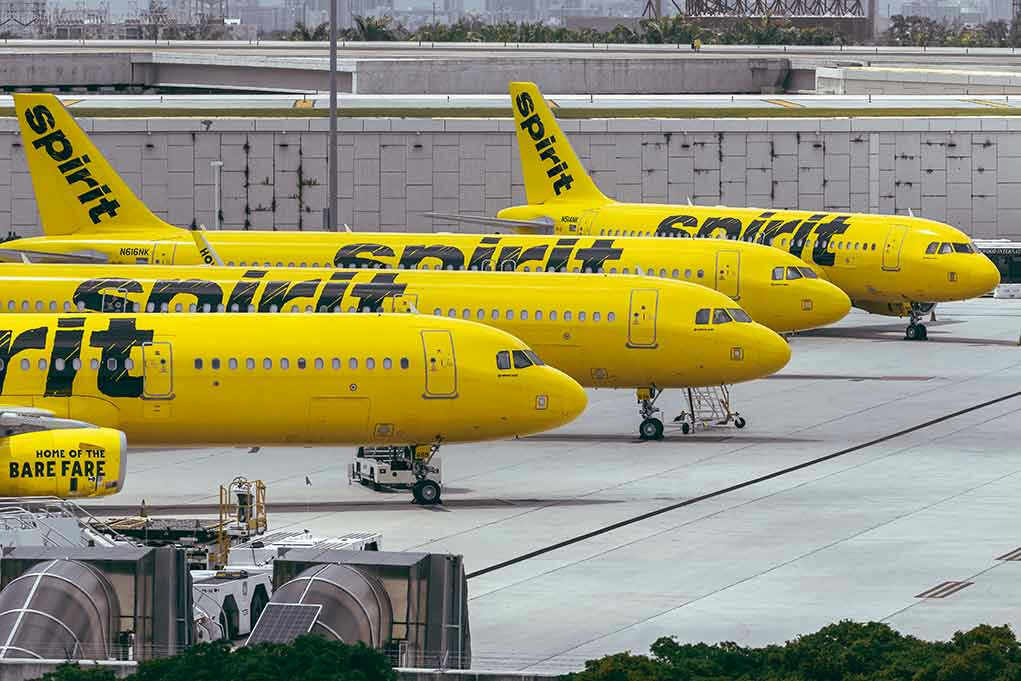
Spirit Airlines, the budget carrier that survived one bankruptcy only to plunge into another, now teeters on the edge of complete liquidation as fuel costs triggered by geopolitical conflict have obliterated its razor-thin profit margins.
Story Snapshot
- Spirit Airlines faces potential liquidation within days as creditors debate whether to pull the plug on the struggling ultra-low-cost carrier
- Jet fuel prices have doubled since the Iran conflict began, devastating Spirit’s business model that depends on meticulous cost control and ultra-thin margins
- The airline burned through $90 million in a single month last September with a catastrophic negative 52 percent operating margin as nervous customers fled
- Over 7,000 employees and countless passengers with non-refundable tickets face uncertainty as creditors evaluate whether Spirit can survive current fuel prices
- Spirit’s collapse would reduce competition in the budget airline market, likely driving up fares for price-conscious travelers nationwide
When Cheap Airlines Meet Expensive Fuel
Spirit Airlines built its entire business on a simple premise: strip away everything passengers expect from air travel and charge rock-bottom fares. That works brilliantly when costs remain predictable. The International Air Transport Association reports aviation fuel prices have doubled globally since the Iran conflict started. For full-service carriers, this means raising ticket prices. For Spirit, it means existential crisis. The airline operates on margins so thin that absorbing fuel cost increases without raising fares proves mathematically impossible, yet raising those fares destroys the only competitive advantage Spirit possesses.
The Death Spiral Accelerates
Bloomberg and CNBC reported creditors are discussing liquidation as early as this week. Court filings reveal lenders’ stark assessment: Spirit cannot demonstrate viability at current or higher fuel prices. The airline declined to deny the reports, issuing only a vague statement about not commenting on market rumors. That non-denial speaks volumes. Spirit filed for Chapter 11 bankruptcy protection in August 2025, its second filing in less than two years. The February 2026 agreement with creditors was supposed to enable emergence by late spring with a smaller fleet. Escalating fuel costs demolished that timeline.
EUROPE: 6 WEEKS LEFT OF JET FUEL
FLIGHT CANCELLATIONS LOOM
LUFTHANSA TO CUT CAPACITY
SPIRIT CRUSHED; RISKS IMMINENT COLLAPSE— Citizen Watch Live (@Citizenwatchrep) April 17, 2026
September’s Catastrophic Warning Signs
The September 2025 operating results should have triggered alarm bells across the industry. Spirit posted a negative 52 percent operating margin while burning $90 million in cash in just thirty days. Customers engaged in “book-away” behavior, avoiding Spirit due to bankruptcy concerns and creating a vicious cycle. Fewer bookings meant less revenue, which meant deeper financial trouble, which triggered more customer avoidance. The airline responded with corporate staff layoffs, pilot and flight attendant furloughs, route cancellations, and aircraft sales. Pilots even accepted temporary pay cuts and delayed raises until 2028.
The Ultra-Low-Cost Model Meets Reality
Ultra-low-cost carriers operate differently than traditional airlines. They squeeze every penny from operations, charging separately for bags, seat selection, even water. The model works when expenses remain stable and predictable. External shocks expose the fundamental vulnerability. Unlike Southwest or Delta, which can absorb cost increases temporarily or pass them to customers through higher fares, Spirit lacks that flexibility. Raising prices transforms Spirit into just another airline without the amenities competitors offer. The business model collapses when the cost advantage disappears.
Who Pays When Budget Airlines Fail
Over 7,000 Spirit employees face potential job losses if liquidation proceeds. Passengers holding non-refundable tickets could find themselves stranded with worthless reservations. Florida communities, where Spirit maintains significant operations, would lose connectivity and face reduced travel options. Creditors and investors would absorb substantial losses. The broader impact extends beyond immediate stakeholders. Spirit’s collapse would consolidate the ultra-low-cost carrier market, reducing competition. Economic principles suggest less competition means higher prices. Budget-conscious travelers, often lower-income Americans who depend on affordable air travel, would bear the ultimate cost through reduced options and increased fares across the industry.
Geopolitical Decisions, Commercial Consequences
The Iran conflict demonstrates how foreign policy decisions ripple through domestic commerce. Fuel price increases stem directly from geopolitical instability, yet airlines bear the commercial consequences. Spirit’s potential liquidation illustrates the vulnerability of American businesses built on thin margins to external shocks beyond their control. The creditors now hold Spirit’s fate in their hands. They face a binary choice: continue funding a restructuring plan with uncertain outcomes or accept losses through liquidation. Court filings reveal their skepticism about Spirit demonstrating viability at elevated fuel prices. The decision could come within days, ending one of America’s most recognizable budget carriers.
Sources:
AirlineGeeks – Report: Spirit at Risk of Liquidation
Thrifty Traveler – Spirit Collapse 2026
The Daily Beast – Airline Risks Collapse This Week as Trump’s War Spikes Fuel Costs
Rolling Out – Spirit Airlines Collapse Under Fuel Cost