
Ten minutes after liftoff, a U.S. rocket veered from plan and took 40 Amazon internet satellites down with it.
Story Snapshot
- United Launch Alliance confirmed an in-flight anomaly and a failed delivery to orbit.
- The mission carried 40 Amazon Leo broadband satellites from Cape Canaveral.
- The failure came about 10 minutes into flight during a return-to-flight mission.
- Cause was not yet identified at the time of the company’s first statement.
What Happened And Why It Matters
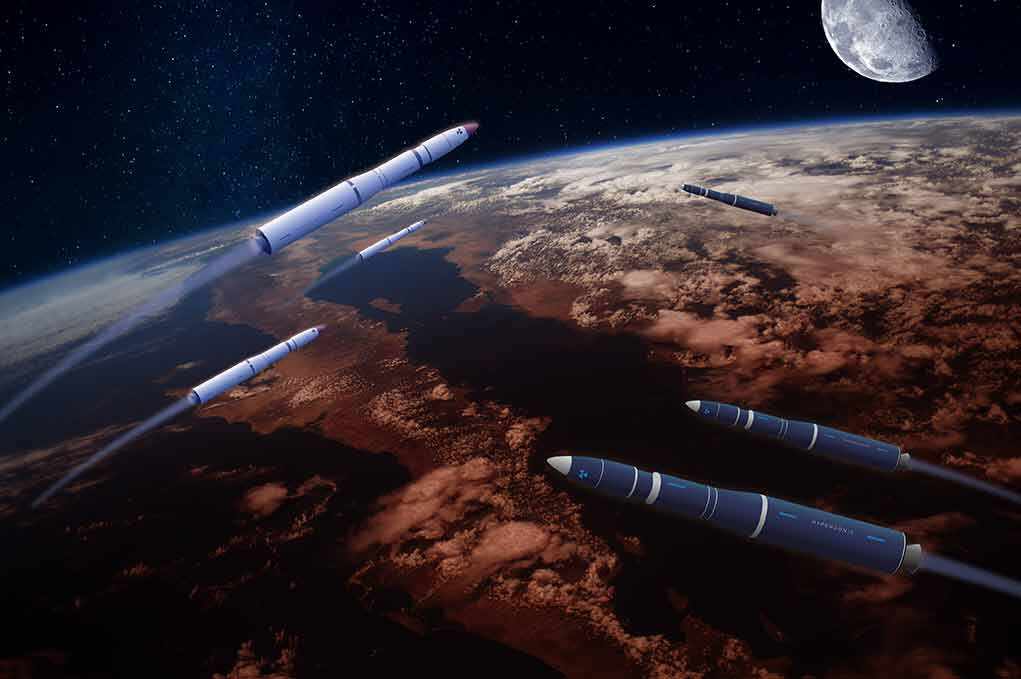
United Launch Alliance said its Vulcan rocket launched from Space Launch Complex 41 at Cape Canaveral and suffered an anomaly around the ten-minute mark. The company said the vehicle failed to deliver the Amazon mission to orbit. Reports described a payload of 40 Amazon Leo internet satellites. The plan called for low Earth orbit deployment to support Amazon’s planned broadband network. The failure halted that plan and triggered a standard investigation into the anomaly timeline and root cause.
The launch served as a return-to-flight milestone for Vulcan. Pre-launch coverage highlighted earlier concerns tied to a redesigned booster nozzle on prior flights, but those reports did not establish a link to this failure. United Launch Alliance’s first statement avoided naming a faulty part. That restraint was correct. Good engineering hunts evidence first and labels later. The event’s impact lands on schedule risk, insurance exposure, and confidence in a 38-launch campaign Amazon booked with this provider.
The Stakes For Amazon’s Broadband Plan
Amazon needs many satellites online to compete in low Earth orbit internet service. Losing one launch’s worth of spacecraft delays coverage targets and revenue models. The loss also increases pressure on manufacturing cadence, ground systems, and alternative rides to orbit. Insurers and investors will ask how fast a replacement batch can be built and booked. Clustered risk is the challenge with constellations: one failed ride can wipe out dozens of spacecraft at once.
Insurance norms anticipated this scenario. Underwriters often cover “launch plus one year,” because the riskiest period stretches from ascent through early on-orbit operations. Analysts have long flagged launch as a prime peril, and they price it accordingly. Historical failure rates for commercial launch vehicles cluster in single digits, but the risk is real on any given day. Actuarial work shows a meaningful share of satellites either fail at launch or in the first year in space. That is why prudent operators spread launches and vendors when they can.
What Comes Next In The Investigation
United Launch Alliance will download and align telemetry across propulsion, guidance, avionics, and separation events. Engineers will freeze hardware configurations fleetwide until they can bound the issue. The Federal Aviation Administration will review mishap data and licensing as required. If evidence points to a specific subsystem, the company will publish corrective actions before return to service. The first public clue will likely be a high-confidence timeline and a narrowed fault tree from the launch provider.
Amazon will assess spacecraft status, insurance recovery, and manifest options. Replacement units will move up the build queue if needed. Schedules will hinge on factory throughput, regulator sign-offs, and open pad slots. Buying rides from multiple providers can keep a constellation on track. That approach also aligns with common sense and market discipline, which reward redundancy and accountability over wishful thinking.
How To Read This Setback In Context
Commercial spaceflight treats launch failures as a modeled cost of doing business, not a black swan. Safety and reliability rise over time because companies learn fast and fix what breaks. Customers judge by how a provider communicates, corrects, and returns to service. Straight answers, firm timelines, and visible fixes earn trust. Evasions and spin do not. The record so far shows a clear acknowledgment of the failure to reach orbit and no rush to blame a part before the data support it.
ULA’s Vulcan rocket failed ~10 minutes after liftoff on Sunday, November 15, 2026, destroying 40 Amazon Leo satellites. It was ULA’s first total mission failure in its ~20-year history and a significant setback for Amazon’s Starlink competitor. @amazon @SpaceX @Starlink
Key…
— ⚡️Coinfather⚡️ (@ObiCoinfather) November 16, 2026
The larger lesson is operational humility. Rockets are hard, constellations are unforgiving, and logistics win the war. Amazon’s path now runs through insurance claims, factory tempo, and a resilient launch mix. United Launch Alliance’s path runs through clean telemetry, targeted hardware changes, and a safe, data-driven return. Both paths are achievable. Both demand the kind of steady, accountable leadership that conservative governance and basic common sense expect in high-risk industries.
Sources:
pembrokepinesflnews.com, giantswire.usatoday.com, spaceflightnow.com, orlandosentinel.com, wusf.org, faa.gov
© targetliberty.org 2026. All rights reserved.