

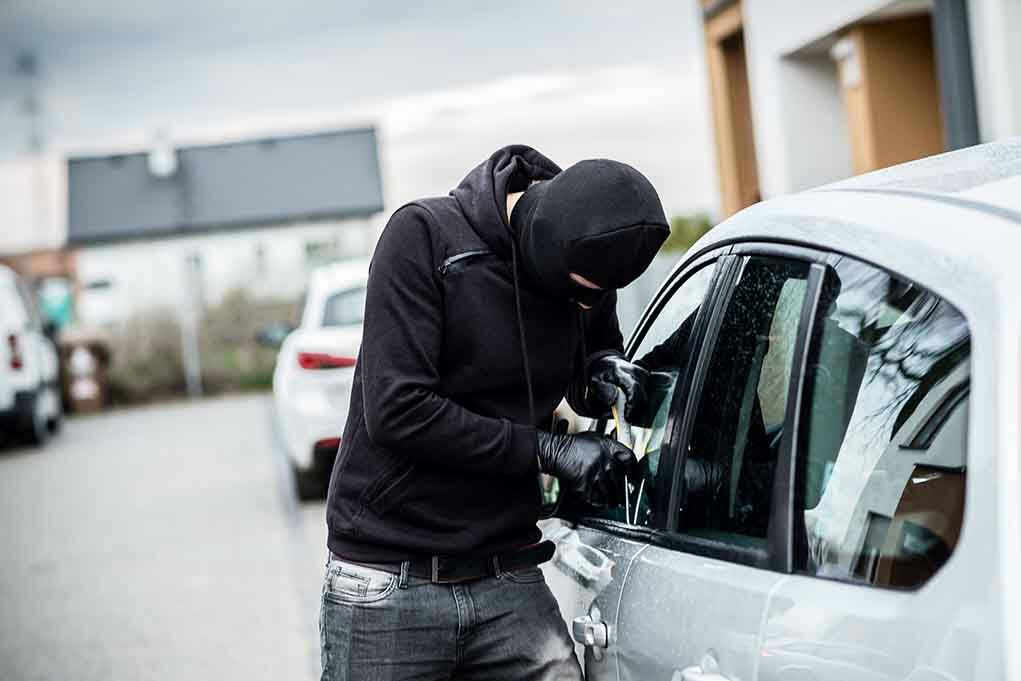
A cunning thief sold cars to unsuspecting buyers on Facebook Marketplace, pocketed the cash, then brazenly stole them back hours later using hidden keys or trackers—turning trust into instant regret.
Story Snapshot
- Fraudster lists vehicles on Facebook Marketplace, completes sales, then reclaims cars within hours.
- Exploits gap between payment and title transfer with retained keys, fobs, or GPS access.
- Multiple victims suffer financial loss and transportation chaos across U.S. jurisdictions.
- Police warn of rising peer-to-peer sales risks; platforms face scrutiny for weak verification.
- Scheme reveals how digital trust crumbles when criminals hold the spare key.
Scheme Mechanics: Sell, Deliver, Then Vanish and Retrieve
Perpetrators list desirable vehicles on Facebook Marketplace to attract quick buyers. Buyers negotiate, inspect minimally, and hand over cash or payment at public meetups. Sellers deliver keys and possession, pocketing full value. Hours later, thieves return using duplicate keys, key fobs, or hidden GPS trackers to locate and steal the cars undetected. This cycle repeats, targeting trusting consumers who skip title checks.
Victims discover the theft mid-commute or overnight, facing empty driveways and vanished investments. Police reports detail how fraudsters exploit private sale informality—no escrow, no liens checks, no instant ownership proof. Retained access methods prove the scheme’s sophistication, outpacing naive buyers’ defenses.
Victim Vulnerabilities Exposed in Peer-to-Peer Deals
Buyers favor Facebook Marketplace for deals bypassing dealer markups. They meet strangers, test-drive briefly, and transfer funds without verifying VIN histories or liens. Fraudsters prey on this haste, providing clean appearances while concealing duplicates. Emotional rush of ownership blinds verification steps, aligning with common sense warnings ignored in bargain hunts.
Financial fallout hits hard: lost vehicle value, towing fees, insurance denials for private sales. Legal tangles arise over disputed titles, delaying recovery. Conservative values emphasize personal responsibility—buyers must demand documents upfront, not trust digital chats alone. Facts show repeated victims skipped basics, fueling the fraud.
Police Response and Investigative Challenges
Local departments track patterns through victim reports and Marketplace message logs. Surveillance footage captures handoffs; GPS data traces stolen vehicles to chop shops. Interstate cases demand coordination, straining resources. Perpetrators’ repeat offenses signal organized rings, not lone wolves, per law enforcement analysis.
Public warnings urge VIN checks via NMVTIS, public meetups with witnesses, and escrow services. Success stories include stings where undercover cops pose as buyers, leading to arrests. Yet digital evidence collection lags, as platforms limit data sharing, complicating prosecutions.
Man sold cars on Facebook Marketplace only to steal them back hours later, police say https://t.co/wez3TwjUzO pic.twitter.com/nap5uLyLoN
— The Independent (@Independent) January 21, 2026
Outcomes vary: some recover cars, others absorb losses. Prosecutions hinge on linking sales to thefts via timestamps and IP traces. Victims rebuild trust slowly, shifting to licensed dealers for verified titles.
Platform Failures and Broader Marketplace Risks
Facebook Marketplace thrives on accessibility since 2016, hosting millions of vehicle sales yearly. Minimal ID verification enables anonymity, unlike Autotrader’s checks. Critics argue Meta bears responsibility for fraud spikes, though terms shift blame to users. Facts support user diligence over platform overhauls—common sense dictates skepticism in anonymous deals.
Similar scams evolve: odometer tampering, title washing. Insurance adjusts policies, excluding Marketplace buys without inspections. Buyers adapt, demanding notary proofs, fueling dealer revivals where warranties protect.
Sources:
Comprehensive Research Report: Facebook Marketplace Car Theft Scheme
Law enforcement reports on vehicle fraud patterns
Consumer protection agency advisories on online sales
News media coverage of documented cases