

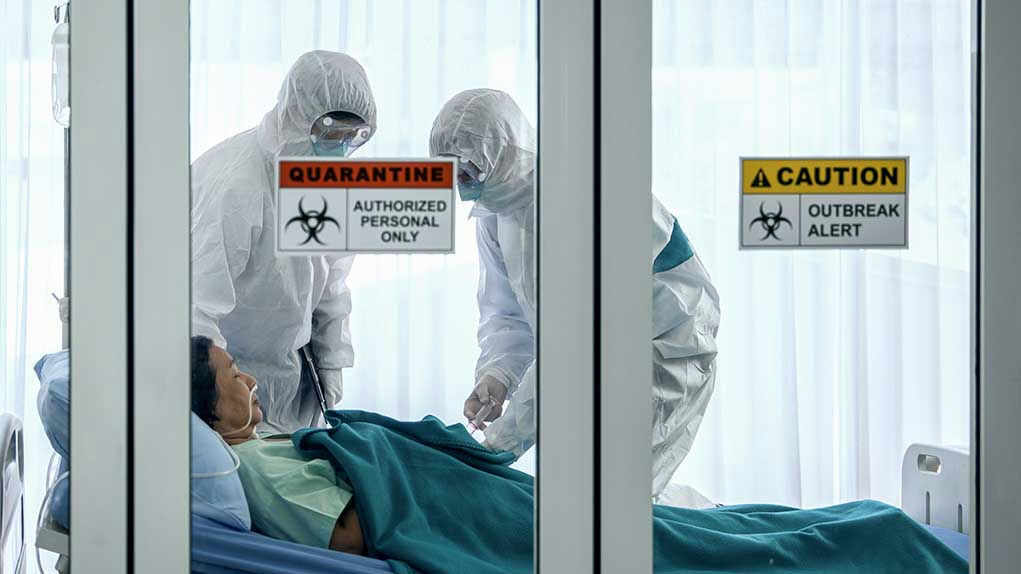
A never-before-seen bird flu strain has left a Washington man critically ill, igniting fresh concern about government preparedness and the threat of unpredictable diseases under the watch of federal agencies.
Story Snapshot
- First-ever human infection with H5N5 avian influenza confirmed in Washington state.
- Public health officials stress low risk to the general population, but experts warn of unpredictable viral evolution.
- Patient remains hospitalized; no evidence of human-to-human transmission.
- Heightened surveillance and biosecurity measures underway for poultry and wild birds.
First Human Case of H5N5 Avian Influenza Raises National Security and Public Health Questions
In November 2025, a rural Washington resident was hospitalized with a never-before-seen strain of bird flu, H5N5. This marks the world’s first confirmed human infection with this subtype, previously only detected in birds. The patient’s severe symptoms—high fever, respiratory distress, and confusion—prompted a swift response from local hospitals and the Washington State Department of Health. While the virus most likely originated from contact with domestic poultry or wild waterfowl, no evidence currently points to human-to-human transmission. The incident has renewed debate about the unpredictable risks posed by emerging diseases and the need for decisive government action.
Background: Avian Influenza and the Risk to American Rural Communities
Avian influenza viruses, such as H5N5, circulate naturally among wild aquatic birds and can infect domestic poultry. Human infections are rare, typically linked to direct animal contact. The Pacific Northwest, a major migratory route for wild birds, faces heightened risk for such viral spillovers. Recent years have seen a rise in avian flu outbreaks, with H5N1 crossing into U.S. poultry and causing sporadic human cases since 2022. The Washington case signals possible viral adaptation and increased zoonotic risk, raising concerns about future outbreaks and the effectiveness of current biosecurity measures in protecting American families and food sources.
Federal and State Agencies Respond: Surveillance and Policy Implications
State and federal health agencies, including the CDC, have launched environmental and epidemiological investigations to trace the source of the infection. Confirmatory testing for H5N5 is underway, and surveillance of local bird populations has intensified. Officials emphasize that the general public faces low risk, but those with close bird contact should use protective equipment and report sick or dead animals. Heightened surveillance and biosecurity measures are now in effect for poultry operations and backyard flocks, directly impacting rural communities and small farmers. The rapid mobilization of resources highlights both the strengths and limitations of current public health infrastructure.
Expert Assessments: Unpredictable Viral Evolution and Conservative Concerns
Infectious disease experts describe this case as deeply alarming, citing the unpredictability of viral mutations and the possibility of future zoonotic spillovers. While officials urge against panic, they acknowledge the importance of vigilance and preparedness. Calls for enhanced biosecurity and public education are growing, particularly among those who keep domestic birds or work in agriculture. For conservative Americans, this incident underscores the need for strong borders, robust disease surveillance, and efficient government response—key principles for protecting both national security and constitutional rights in the face of biological threats.
Washington resident hospitalized with virus never before seen in humans https://t.co/6YXulAYV14
— david wolstenholme (@davidwo79952625) November 19, 2025
Impact Analysis: Economic, Political, and Societal Ramifications
The immediate impact includes increased monitoring of exposed individuals and tighter controls at poultry farms. Economic losses loom for producers if further outbreaks occur, while public anxiety about food safety and government competence is mounting. Policy discussions are intensifying around the need for better surveillance, rapid reporting, and transparent communication from health authorities. Broader industry effects may include new regulations for the poultry sector and expanded roles for veterinary and wildlife agencies. Conservative communities, especially those in rural areas, are watching closely as the balance between government oversight and personal liberty is tested once again.
Sources:
Washington Man “Severely Ill” After Contracting Never-Before-Seen Bird Flu in First-Ever Human Case
Possible First 2025 Human Case Bird Flu Under Investigation Washington
Communicable Disease Surveillance Data – WA DOH