Steve Bannon’s contempt conviction faces dismissal after the Supreme Court cleared the path, raising questions about congressional power versus executive authority in a divided America.
Story Snapshot
- Supreme Court on April 6, 2026, vacated appeals court ruling upholding Bannon’s 2022 contempt conviction.
- Trump administration prompted the order, seeking dismissal “in the interests of justice” post-sentence.
- Bannon served four months in prison for defying January 6 Committee subpoena; dismissal now symbolic.
- Highlights shift in DOJ stance after Trump’s 2024 return, exposing partisan divides in accountability.
- Undermines rare contempt enforcement, signaling potential limits on future congressional probes.
Supreme Court Vacates Appeals Ruling
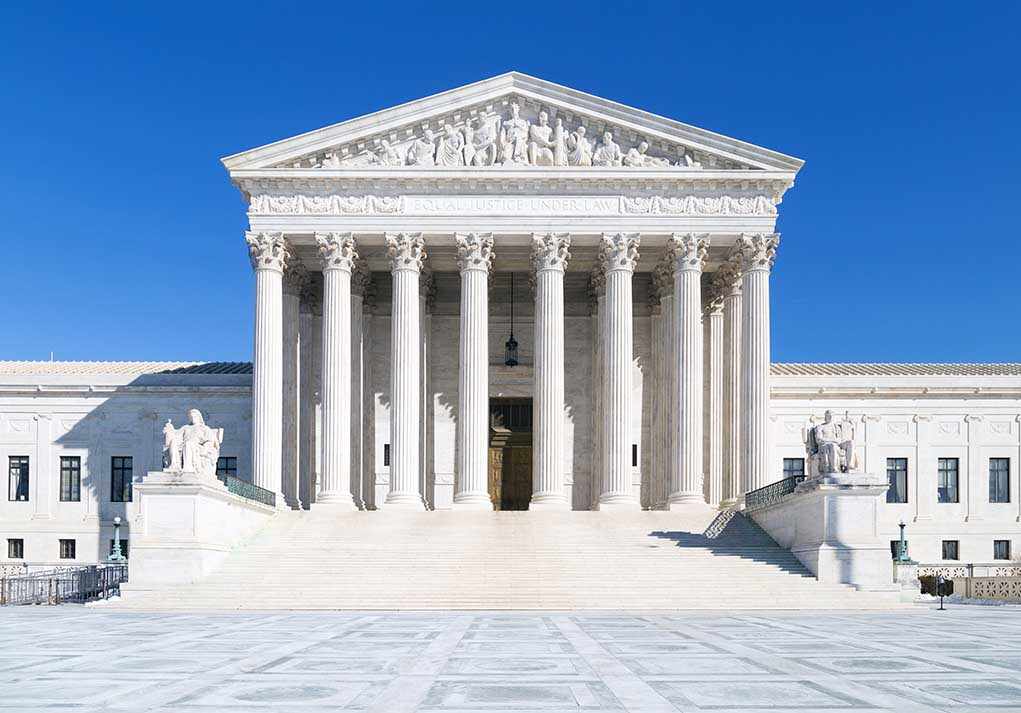
The U.S. Supreme Court issued an unsigned order on April 6, 2026, overturning the D.C. Circuit’s affirmation of Steve Bannon’s conviction. This remands the case to a trial judge to consider the Trump DOJ’s dismissal request. Bannon, a former Trump strategist, defied a subpoena from the House January 6 Select Committee. He completed his four-month sentence in late 2024. The move aligns with executive prosecutorial discretion, a core conservative principle of limited government overreach.
Bannon Defies Subpoena in Partisan Probe
The House Select Committee, composed of seven Democrats and two Republicans, subpoenaed Bannon on September 23, 2021, for documents and testimony on 2020 election claims and January 6 events. Bannon failed to produce materials by October 7 or appear for deposition on October 14. The committee voted contempt on October 19; the House approved 229-202 on October 21. DOJ indicted him November 12 on two counts. This partisan body targeted Trump allies, fueling claims of political weaponization.
A jury convicted Bannon July 22, 2022. Judge sentenced him October 21 to four months prison and $6,500 fine, stayed for appeal. D.C. Circuit affirmed May 10, 2024. Supreme Court denied release June 28; Bannon entered prison July 1, released after four months. Trump’s 2024 victory shifted DOJ priorities, requesting dismissal as further punishment proved moot.
Historical Rarity of Contempt Prosecutions
Criminal contempt of Congress originates from an 1857 statute certifying willful subpoena defiance to the executive. Supreme Court precedents affirm Congress’s investigative needs for effective legislation. Yet prosecutions remain rare; Bannon marked the first indictment in three decades, following a Reagan-era case. Bannon asserted executive privilege and advice of counsel, rejected by courts. Facts support his stance against a committee viewed as illegitimate by conservatives, prioritizing constitutional separation of powers.
Trump Administration Drives Reversal
Post-2024 election, Trump’s DOJ pivoted, moving to dismiss “in the interests of justice.” This prods the Supreme Court to vacate the appeals ruling, freeing the trial judge. Power dynamics shifted dramatically; Biden-era DOJ pursued aggressively amid 2-1 partisan appeals. Trump allies see vindication against overreach; Democrats decry weakened accountability. Common sense dictates executive control over prosecutions prevents legislative abuse.
Symbolic Win Reshapes Accountability
Dismissal offers Bannon political vindication without erasing served time. Short-term, it bolsters Trump circle morale; long-term, it erodes congressional subpoena enforcement. Partisan divides deepen on January 6 narratives. Broader effects deter future probes, preserving rare contempt tool. A parallel order aids former Cincinnati Councilman P.G. Bannon’s separate New York fraud plea persists unaffected. This reinforces conservative values of restrained federal power.
Sources:
Steve Bannon wins Supreme Court order likely to lead to dismissal of contempt of Congress conviction
Bye Bye Bannon? An Explanation of the Steve Bannon Contempt of Congress Trial
Bannon Contempt of Congress Indictment