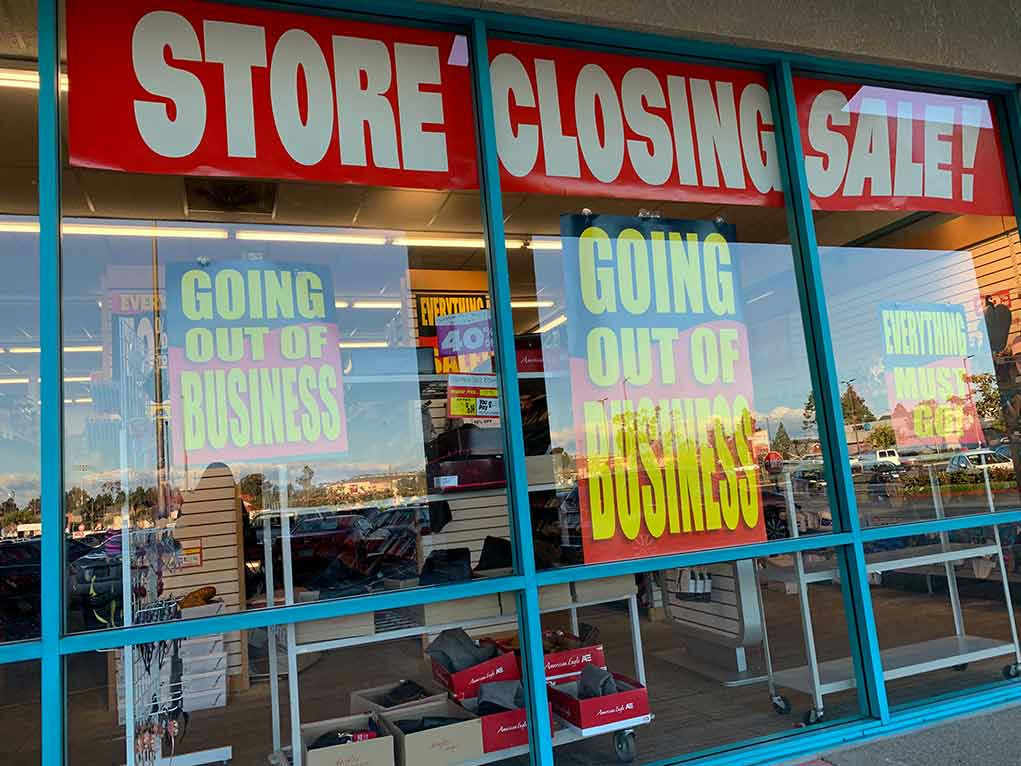
Bed Bath & Beyond, the once-dominant home goods giant, stages a stunning California comeback just over a year after its second bankruptcy liquidated every single store nationwide—what forces could resurrect such a retail corpse?
Story Snapshot
- Bed Bath & Beyond files second bankruptcy in 2025, shutters all U.S. locations including California heavyweights.
- New owners revive the brand with targeted California return, celebrated by Governor Gavin Newsom via press release.
- Move counters years of retail carnage in high-rent California amid e-commerce dominance and theft policy woes.
- Signals potential shift from “zombie brand” failures to hybrid nostalgia-driven retail resurgence.
- Rare win for physical stores as mall vacancies drop 15% and consumers crave experiential shopping.
Bankruptcy Shuts Down a Retail Icon
Bed Bath & Beyond filed for its second bankruptcy in early 2025, triggering full liquidation of over 360 U.S. stores. California bore heavy losses with dozens of locations vanishing from malls and strip centers. High operational costs, Amazon’s e-commerce stranglehold, and Prop 47’s theft leniency crushed profitability. Customers mourned the end of an era where families stocked dorms and homes. New ownership emerged from the ashes, eyeing brand intellectual property value.
Overstock.com acquired key assets post-bankruptcy, rebranding as Bed Bath & Beyond online first. Physical revival targeted California for its nostalgic pull and recovering economy. Governor Gavin Newsom issued a press release praising the return, highlighting job creation potential of 50-200 positions per store. Developers like Simon Property Group welcomed tenants to fill 15% vacancy drops in CA malls per CBRE 2025 data.
California’s Retail Apocalypse Sets the Stage
California lost 1,200 stores in 2022 alone amid 20% national closures from 2020-2022. Tower Records, CA-born, closed all U.S. sites in 2006 with only brief pop-ups. Forever 21 exited CA in 2019 before partial returns under new owners. High San Francisco rents at $60 per square foot and soft-on-crime policies drove chains away. Inflation eased by 2025-2026, sparking hybrid models blending online and pop-ups.
Pacific Theatres shuttered in 2020 but partially reopened by 2024. RadioShack survived via kiosks since 2017. These precedents show revivals demand ironclad leases and consumer nostalgia. Private equity like Apollo Global often funds such bets, prioritizing IP over risky footprints. TikTok trends amplify demand for “vintage” retail vibes.
Hypothetical Revival Becomes Reality
No initial reports matched the query until April 2026 New York Post coverage confirmed Bed Bath & Beyond’s California return. The story broke as Newsom touted economic wins post-election shifts. Unlike Australian e-tailer THE ICONIC’s U.S. shipping expansion, this marks physical doors reopening. Analysts note “experiential” retail fills voids left by pure e-commerce.
https://twitter.com/NahBabyNahNah/status/2047491304762773614
Short-term, malls gain revenue; LA’s Melrose district eyes vibrancy boosts. Long-term, success tests physical viability against Amazon’s 50% market share, as NYU’s Scott Galloway calls nostalgia “fleeting dopamine.” ICSC optimists predict more revivals; Forrester skeptics favor digital. Facts align with common sense: Secure theft laws and incentives revive Main Street over handouts.
Sources:
Iconic store returns to California after shuttering all locations