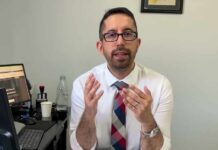

Barack Obama’s call to Abdul El-Sayed gave Michigan Democrats a unity moment, but it also revealed how much power a short private conversation can carry in a bruising Senate race.
Quick Take
- Abdul El-Sayed said Barack Obama called him after his Michigan Democratic primary win.
- El-Sayed described the talk as “really warm and inspiring” and said he appreciated Obama’s advice.
- He said he hoped Obama would campaign with him, but no public source shows a firm promise from Obama.
- Multiple reports framed the call as a post-primary unity outreach after a divisive fight inside the party.
A Call Meant to Calm a Wounded Primary
El-Sayed won a closely watched Michigan Democratic Senate primary, then quickly found himself in the kind of symbolic moment that party leaders love and rivals study. He said he spoke with Obama on Friday, and later described the conversation as warm, inviting, and inspiring. That matters because the call came right after a hard primary that exposed real splits between progressive and moderate Democrats.
The public record points to a simple fact: the call happened, and both sides acknowledged it. AP reported that El-Sayed said he had spoken with Obama and hoped the former president would campaign with him. The Detroit News said the two had an encouraging discussion and looked forward to working together to unite Democrats in November. Politico added a wider detail that Obama also called Rep. Haley Stevens, which makes the outreach look like party repair, not a one-off favor.
What El-Sayed Said, and What He Did Not Say
El-Sayed was careful not to oversell the private talk. He said he likes to keep private conversations private, then said the exchange was “really warm and inspiring.” He also said Obama is someone who knows “a lot about winning Michigan.” That is a useful political line, because it frames Obama as a mentor and Michigan as the prize. It also leaves a key gap: Obama has not publicly promised to show up on the trail.
That gap matters more than the cheerier headlines suggest. The reports support a reading of the call as encouragement and unity talk, not a confirmed endorsement event. El-Sayed said he hoped Obama would campaign with him, and NBC’s coverage echoed that hope. But hope is not commitment. For readers who have watched too many campaign “signals” turn into nothing, that distinction is the whole story.
Why the Obama Name Still Moves the Needle
Obama’s name still carries weight in Michigan politics because it signals credibility, especially after a rough primary. Politico described the call as an early boost to El-Sayed’s general-election campaign. The New York Times said the two discussed party unity before the November election. That is the real political value here. The conversation itself may have been brief, but the message around it tells donors, activists, and undecided Democrats that the party wants to close ranks fast.
JUST IN: Barack Obama reportedly held phone call with Abdul El-Sayed after his primary victory, urging party unity ahead of the general election.
— Polymarket (@Polymarket) August 10, 2026
Still, the public evidence stays narrow. No transcript has surfaced. No recording has surfaced. No direct Obama quote has surfaced. The strongest verified facts are that the call took place, it followed the primary, and both sides presented it as a unity conversation. Everything else is interpretation layered on top. That is why this story keeps traveling: not because the facts are huge, but because the symbolism is.
Sources:
twitchy.com, usatoday.com, youtube.com, detroitnews.com, cnn.com, politicalwire.com, nytimes.com
© targetliberty.org 2026. All rights reserved.