

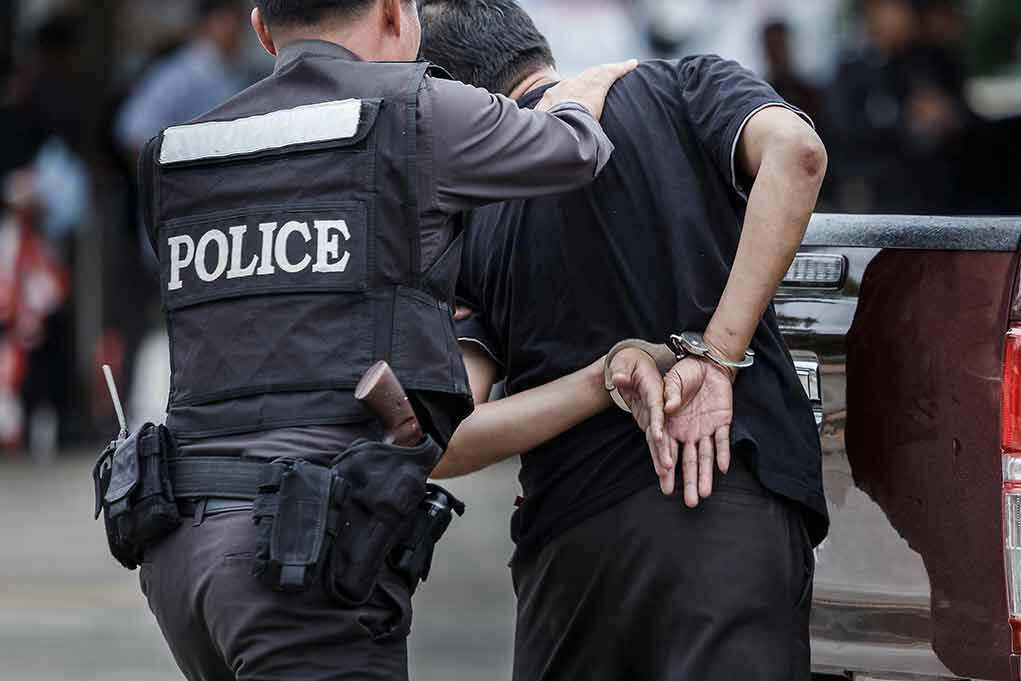
As ICE cracks down on violent criminal aliens, the media’s focus on anti-ICE protests raises concerns among conservatives.
Story Overview
- ICE arrested dozens of violent noncitizens in Minnesota, including child rapists and murderers.
- Media attention remains on anti-ICE protests rather than the arrests themselves.
- Federal response includes deploying over 2,400 agents to Minneapolis.
- Rise in assaults and threats against ICE agents by over 1,300% and 8,000%, respectively.
ICE’s Major Arrest Operation in Minnesota
In early January 2026, U.S. Immigration and Customs Enforcement (ICE) executed a significant operation in Minnesota, arresting dozens of noncitizens with serious criminal convictions. These included crimes such as child rape, murder, and sexual assault. ICE Director Todd M. Lyons highlighted that some of these individuals had pending deportation orders for up to 30 years. Despite political opposition and anti-ICE protests, the agency emphasized the need to prioritize public safety by removing these dangerous offenders from the community.
This operation is part of a broader federal strategy to enhance law enforcement presence in areas with high resistance to immigration enforcement. DHS Secretary Kristi Noem announced the deployment of hundreds more federal agents to Minneapolis, bringing the total to over 2,400 agents. This move underscores the Trump administration’s commitment to cracking down on sanctuary cities that resist federal immigration laws.
Media Focus and Local Resistance
The media narrative has largely centered around the protests against ICE rather than the significance of the arrests themselves. Local resistance in Minnesota, a known sanctuary jurisdiction, poses challenges to ICE operations. Minneapolis Mayor Jacob Frey has been vocal against ICE presence, reportedly telling agents to leave the city. This friction reflects broader tensions between federal and local authorities over immigration enforcement priorities.
Despite these challenges, ICE continues to target “the worst of the worst” offenders. The agency faces a daunting increase in assaults on its personnel, with a reported 1,300% rise in attacks and an 8,000% increase in death threats since the Trump administration intensified immigration enforcement. These statistics highlight the perilous conditions under which ICE officers operate.
Impact and Implications
The immediate effect of these operations is a reduction in recidivism risk posed by convicted criminals remaining in the community. However, the long-term implications include potential precedent-setting actions that may override sanctuary policies and lead to safer communities, as claimed by ICE. These actions have sparked a heated debate over immigration policy, challenging Democratic strongholds and highlighting the Trump administration’s assertive stance on immigration enforcement.
Minnesota residents stand to benefit from the removal of these criminals, but ICE officers remain at risk. Meanwhile, protesters and immigrant advocates criticize the operations as an overreach, complicating the political landscape. The enforcement model is resource-intensive, requiring significant federal investment in personnel and operations.
Sources:
Worst of the worst: ICE arrests child predator, violent criminals amid surge of anti-agent attacks
ICE makes dozens of arrests of illegal migrants convicted of rape, murder in Minnesota