

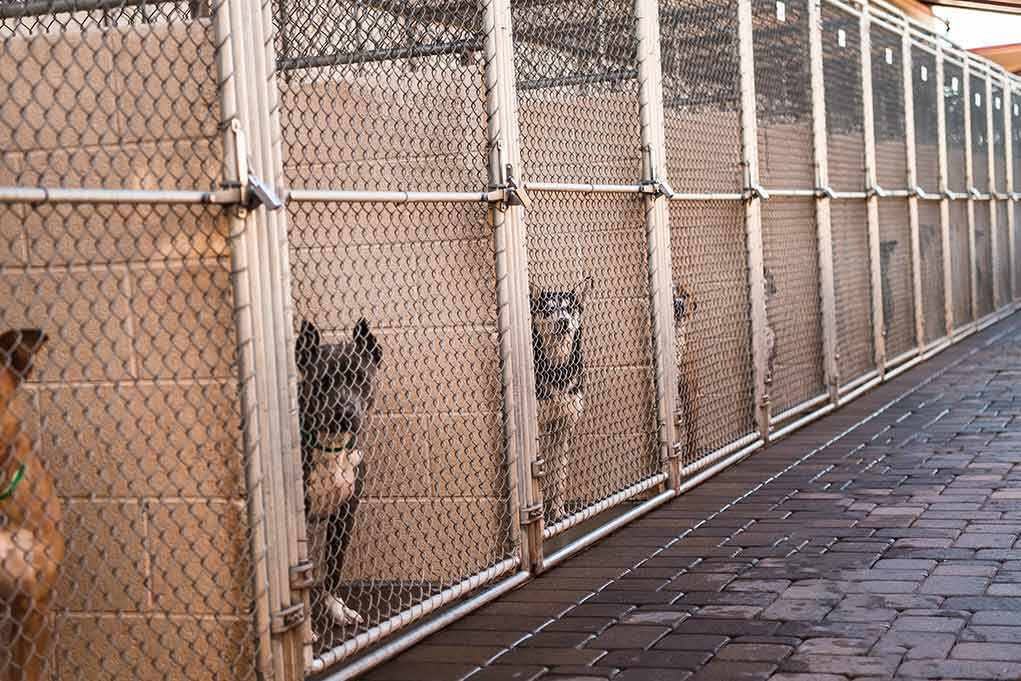
Neighbors trusted their mail carrier to bring bills and birthday cards, not secretly stockpile their missing pets in a sweltering Florida house packed with cats, dogs, and filth.
Story Snapshot
- Deputies say a 77-year-old mail carrier hoarded 90-plus cats and dogs in a feces-filled Stuart, Florida home.
- Authorities believe she collected many of the animals right off her postal route, including pets and feral cats.
- Sheriff John Budensiek calls it the worst animal hoarding case Martin County has ever seen.
- Most animals survived but arrived dehydrated, stressed, and caged in stifling heat with no ventilation.
How a trusted mail carrier became the center of a hoarding rescue
Deputies say the nightmare started with tips about a longtime United States Postal Service mail carrier in Stuart, Florida quietly “collecting” cats along her route. The suspect, 77-year-old Gail Giustino, had delivered mail since the 1990s. Investigators were told she was picking up feral cats and possibly pets near customers’ homes, then taking them back to her Foxwood subdivision house. For weeks, animal control tried to get inside but said she refused to cooperate with officers who knocked and asked to check on her animals.
Deputies eventually obtained a search warrant and went in with animal services and fire rescue. Sheriff John Budensiek says the moment they opened the door, they hit a wall of stench and heat. There was no air conditioning and almost no airflow. In some rooms, he described the floors as buried under a foot of animal feces. Cages and crates sat stacked and smeared with waste. Officials later said this was “the worst animal hoarding case” they had ever seen in Martin County.
Inside the feces-filled Florida house of horrors
Rescuers counted about 80 cats and 12 dogs packed inside the home, with later reports putting the total near or above 92 animals once everything was logged. Fire rescue’s hazardous materials team had to ventilate the house so deputies and Humane Society workers could safely enter and stay long enough to carry animals out. One shelter worker said cats drank nonstop for 15 minutes when they finally reached clean water, a strong sign many were badly dehydrated.
Humane Society staff later reported that most of the 80 cats arrived severely dehydrated, with many missing fur from stress-related over-grooming. The 12 dogs showed dental disease, and several were quarantined for kennel cough. Sheriff Budensiek said the animals had food, but they were caged, confined indoors, and never brought outside. He described the home as an “animal jail,” where living creatures sat trapped in heat that he estimated at well over 100 degrees.
Were these stolen pets or feral “rescues” gone wrong?
This is where the story hits a nerve for anyone who has ever wondered what happened to a missing cat. Deputies say the entire case began because neighbors believed their pets were vanishing along Giustino’s route. Investigators received reports that she was “stealing or collecting cats along her route,” and news accounts repeat that claim. Some owners later showed up at the Humane Society hoping to spot long-lost pets among the rescued animals.
At the same time, the sheriff has said she was “likely collecting feral cats,” not breaking into homes for prized purebreds. That detail matters for common-sense conservative values about due process and property rights. There is a huge moral difference between grabbing a clearly owned animal off someone’s porch and scooping up truly feral cats no one is caring for. So far, public records show only that officials identified a handful of clear owners through microchips and are still checking the rest. That is evidence of chaos and bad judgment, but it is not yet a neat theft ledger.
Animal hoarding, mental health, and limited charges
Giustino was arrested on two misdemeanor counts: animal cruelty and confinement of animals without sufficient exercise. Her bond was set at $50,000. Sheriff Budensiek has made clear he sees the case as classic animal hoarding, driven in part by a twisted sense of “helping” animals that spiraled far beyond her ability to care for them. Officials say she believed she was rescuing the animals, but her home became a dangerous prison instead.
This story is INSANE: Florida mail carrier kept over 100 stolen cats and dogs in a feces-filled house of horrors.
77-year-old Gail Giustino, a U.S. Postal Service worker in Stuart, was arrested after deputies executed a search warrant at her home and discovered roughly 70 to 80… pic.twitter.com/uOGtm7AvkV
— Blue Lives Matter (@bluelivesmtr) August 2, 2026
Court records show this was not her first run-in with animal regulators. In 2015, she received more than 40 citations for improper care or treatment of animals, but that earlier case was dismissed. That history alarms many readers, yet dismissal means it was never proven in court. From a conservative rule-of-law view, those old citations should not be treated as automatic proof now. They are warning signs that officials likely weighed when they decided to move fast, rescue the animals, and push her toward mental health resources instead of stacking up felonies.
What this case says about community trust and control
This story hits three pressure points at once: trust in public workers, respect for private property, and basic decency toward animals. People rely on mail carriers to handle their mail, not their pets. Many readers will see this as a stark example of mission creep, where a government employee quietly decided she knew better than neighbors how to “save” local animals, then hid the messy result in her own home. That mindset clashes sharply with American conservative values of limited power, clear boundaries, and accountability when those boundaries are crossed.
At the same time, the case shows how slowly the system moves compared to rumors on social media. The sheriff’s office, the Humane Society, and television stations now fill the record with vivid language: “living hell,” “house of horrors,” “worst case.” Those phrases are earned by what responders describe, but they also lock public opinion before any judge hears a full evidentiary picture. The hard facts we do know are bad enough: dozens of cats and dogs, deep feces, choking heat, thirsty animals, and a hoarder who meant to help but instead trapped them in misery. The rest—exact ownership, legal guilt on every point—will have to be settled, one animal and one record at a time.
Sources:
nypost.com, foxnews.com, katv.com, instagram.com, youtube.com, imdb.com
© targetliberty.org 2026. All rights reserved.