
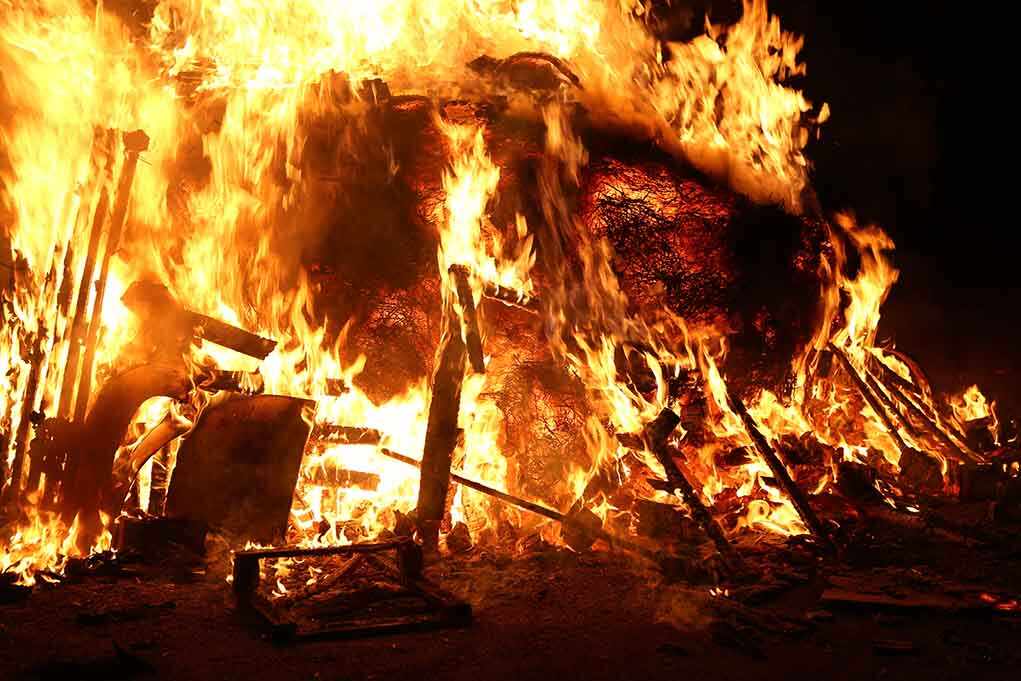
Two beloved Catholic landmarks burned on the same day, and the fight over what that means started before the smoke cleared.
Story Snapshot
- Two historic Catholic sites in France were gutted by fires on June 12.
- Past cases show causes split between accidents and arson, so early claims deserve scrutiny [2].
- Notre-Dame and Rouen show renovation work can raise fire risk without criminal intent [4][5].
- Nantes proves arson happens too, which is why evidence must lead, not emotions [1].
What burned, what we do not know, and why that matters
Two fires at historic Catholic sites in one day is a gut punch. Heritage loss feels like identity loss. That emotion is real, but it does not tell us cause. Officials have not released origin-and-cause reports for the June 12 fires. Without those, firm claims about arson, hate, or pure accident outrun the record. France’s recent church-fire history shows both accidental and criminal causes. That split frames the stakes but does not settle these cases [2].
Many readers jump to a pattern. Some point to a rise in attacks on churches. Others point to old wiring and risky repair work. Both camps can cite past fires. The better path starts with evidence at the scene: where the fire began, fuel sources, ignition points, and tool marks. Those details exist in fire brigade logs and prosecutor files, not in headlines or viral posts. Wait for those, then judge the claims against them.
How recent cases shape expectations without deciding this one
Notre-Dame de Paris set the template for public confusion. Investigators tested rubble, ruled out criminal motives early, and shifted from a cigarette theory to temporary electrical devices used during restoration as a more likely cause [4]. Rouen’s spire fire also broke out during renovation work, reinforcing how repairs can raise risk at fragile sites [5]. These cases warn against instant blame. Old timber, dust, and temporary power can turn a small spark into a roof-wide disaster.
Nantes cuts the other way. Forensic work found three separate ignition points. Prosecutors opened an arson inquiry. The volunteer later confessed, showing how methodical investigation, not rumor, pinned the cause and led to charges [1]. That case proves churches do get torched on purpose. It also proves investigators can sort accident from crime with patient, technical work. The lesson for June 12: let the evidence speak first.
The narrative tug-of-war and how to keep your footing
Advocacy outlets and social posts often frame same-day fires as proof of a campaign. Some map every incident into a story about anti-Christian hostility. Others wave away concern as panic. General reporting across Europe shows a mixed picture: in some years most church fires are accidental; in others, criminal cases rise. The Observatory of Religious Heritage has reported both categories each year, which is why early certainty looks more like spin than fact until officials publish findings [2].
🏛️💔 A Heritage in Ashes: Two Historic French Churches Affected by Fire on the Same Day
"How many more churches will we have to see burn before we take action?" 🏙️
Friday, June 12, 2026, marked a profoundly tragic day for French history and religious heritage. Within hours of… pic.twitter.com/flRR1oF717
— SG News (@SGNews123) June 15, 2026
Common sense, informed by conservative instincts, says protect what we inherit and punish those who harm it. That starts with hardening targets and fixing known vulnerabilities now, while cause is pending. Require hot-work permits. Lock down scaffolding. Remove trash fuel. Audit temporary electrical runs. Add cameras at access points. None of this needs a motive to justify it. It respects tradition, deters bad actors, and shrinks the window for tragic “accidents” that are preventable.
What authorities should release, and what citizens should watch for
Transparency prevents rumor from filling the void. Fire brigades and prosecutors should release, when possible, origin points, ignition hypotheses, and whether multiple starts existed. They should state if accelerant tests were negative or pending, and whether entry points showed tampering. Citizens should watch for those details and ignore claims that offer none. If suspects exist, demand due process and clear charges. If faults exist, demand repairs and real timelines to fix them.
If the June 12 fires trace to renovation work, the response should tighten site controls across France. Notre-Dame and Rouen already point leaders in that direction [4][5]. If one or both trace to arson, the response should be swift arrests, firm sentencing, and better perimeter security. Both paths honor the same goal: save the next church before it burns. That is not alarmism. That is stewardship of places that hold memory, art, and faith for the living and the dead.
Sources:
[1] Web – Two historic Catholic sites gutted by fires in a single day
[2] Web – Church volunteer confesses to setting French cathedral on fire | News
[4] Web – France, The Country Where More Churches Are Set On Fire – Zenit.org
[5] YouTube – Investigation into Notre-Dame fire, five years on • FRANCE 24 English
© targetliberty.org 2026. All rights reserved.