Trump’s Cuba pressure campaign just collided with a blunt reality: Washington can “squeeze” Havana, but Russia still shows up with the oil—and Cuba still controls who walks out of its prisons.
Story Snapshot
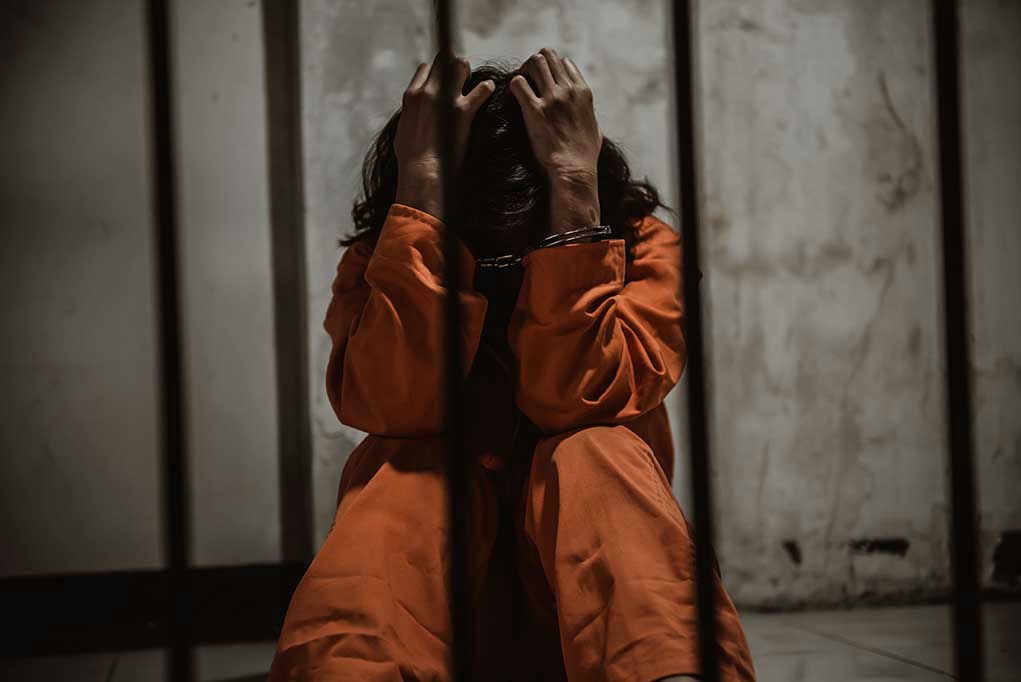
- Cuba announced on April 2, 2026, it will pardon 2,010 prisoners, calling it a humanitarian gesture tied to Easter and Holy Week.
- The Cuban government said eligibility depends on conduct, time served, and health, with categories including young people, women, prisoners over 60, foreigners, and Cubans abroad.
- Cuba stated it will exclude people convicted of serious violent crimes and other offenses, including crimes against authorities.
- The move landed amid U.S. pressure and days after the Trump administration eased a de facto oil blockade that allowed a Russian tanker to deliver crude to Cuba.
Cuba’s pardon announcement—and the fine print on who is excluded
Cuba’s presidency said it is pardoning 2,010 prisoners as a “humanitarian” action connected to Holy Week and Easter observances. The government described criteria that weigh the nature of the offense, prisoner conduct, time already served, and health circumstances. Officials emphasized categories they say are prioritized, including young people, women, prisoners older than 60, foreigners, and Cubans living abroad, but did not release names.
Cuba also drew clear boundaries around who will not benefit. Reporting describes exclusions for those convicted of murder, sexual assault, drug crimes, theft, illegal livestock slaughter, and crimes against authorities. Those exclusions matter because they signal the regime is trying to project compassion without loosening control over political and state-security cases. With identities undisclosed and implementation still pending, outsiders cannot easily verify whether any high-profile political prisoners are included.
The timeline suggests leverage politics, even if Havana denies it
U.S. pressure to release political prisoners has been a long-running feature of U.S.-Cuba diplomacy, and this round arrives amid fresh leverage. Days before Cuba’s announcement, the Trump administration eased what was described as a de facto oil blockade, allowing a Russian tanker to deliver crude to the island. Soon after the pardon news, Russia announced a second tanker shipment, underscoring Moscow’s role in keeping Cuba fueled.
Cuban officials framed the pardons as a sovereign decision rooted in a “humanitarian legacy,” not a response to Washington. Separate reporting noted that Cuba’s announcement did not highlight U.S. pressure, even as outside coverage connected the timing to U.S. demands and energy developments. Based on the available reporting, the most solid conclusion is limited: the sequence lines up with heightened pressure and oil maneuvering, but the sources do not confirm a direct quid pro quo.
Why the Vatican and Holy Week keep showing up in Cuba’s release strategy
Holy Week has become a recurring political calendar marker in Cuba’s criminal justice messaging. Reporting describes this as the fifth such pardon since 2011, with more than 11,000 people released in earlier rounds. Weeks before the April 2 announcement, Cuba also pledged to free 51 prisoners as a goodwill gesture toward the Vatican. That pattern helps Havana present releases as moral and religiously timed rather than politically compelled.
What “2,010 pardons” does—and doesn’t—tell Americans about political prisoners
The U.S. focus has often been on political detainees, but the reporting available here does not specify how many political prisoners Cuba holds, nor whether any are included in the 2,010. The Cuban government’s explicit exclusion of “crimes against authorities” creates a credibility gap for anyone expecting a broad political opening. In other words, a large number can still mask a narrow outcome if the most sensitive cases remain untouched.
Trump’s Cuba leverage test: pressure can move headlines, not necessarily reforms
For conservatives who want principled foreign policy—not endless “nation-building,” not blank checks, and not soft deals—this story is a reminder that leverage has limits. The Trump administration can tighten or loosen economic constraints, but Cuba’s regime still decides what it will concede and what it will protect. With Russia providing oil lifelines, Havana has options that dilute U.S. influence, even when Washington tries to use energy policy as a pressure point.
As the pardons roll out over the next 6 to 12 months, the key accountability question is straightforward: who is actually released, and under what terms? Without names and verifiable categories, the announcement functions more like a regime message than a transparent reform. Conservatives watching the region should separate humanitarian outcomes for ordinary families from strategic outcomes for U.S. interests—because those are not always the same thing.
Sources:
Cuba pardons 2010 prisoners amid United States pressure
Cuba pardons over 2,000 prisoners amid US pressure
Cuba pardons 2,010 people as the US pressures the islands government