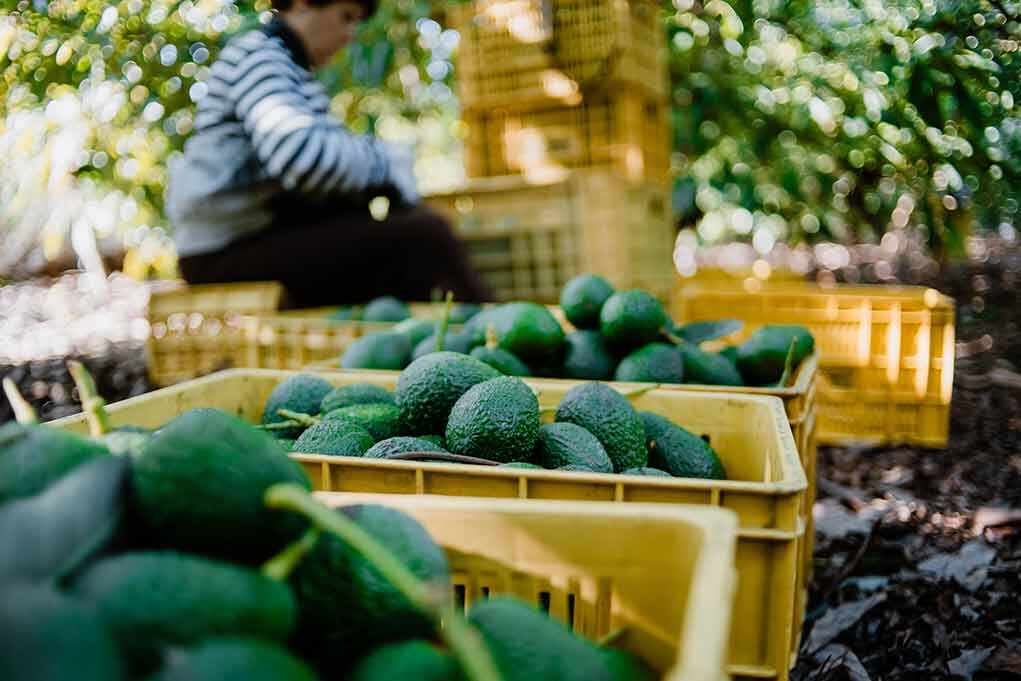
Mexico’s avocado trade to the United States stopped again because inspectors in Michoacán were pulled off the job after a security threat.
Quick Take
- The United States suspended avocado inspections in Michoacán after citing a threat to U.S. interests.
- Those inspections are the gate that lets Mexican avocados move into the U.S. market.
- Mexico sent 1,500 troops to protect packing sites, routes, and inspection points.
- The shutdown followed a familiar pattern: threat, pause, talks, and then a restart.
What Stopped the Shipments
The U.S. Embassy halted government operations in Michoacán and paused the avocado inspection program tied to exports. Reuters reported that the USDA said the pause would last until security conditions were reviewed and safeguards were in place. AP later said the suspension followed a threat to a U.S. inspector and his family, which gave the move a sharper edge than a routine paperwork delay.
This was not a small glitch. FreshFruitPortal said the USDA told the industry that produce needing on-site approval in Michoacán could not move forward unless the process had already been completed. That matters because the inspection step is not a side task. It is the checkpoint that turns fruit in the field into fruit that can cross the border. When that checkpoint stops, the whole chain slows fast.
Why Security Beat Commerce
Michoacán is the center of Mexico’s avocado boom, but it is also a place where extortion and cartel pressure have long shaped daily business. AP reported that Mexico sent 1,500 more troops into the state after the U.S. pause, and Reuters said the deployment was meant to protect packing facilities, transport routes, and inspection points. That response shows how seriously both governments treated the risk. It also shows why the U.S. did not want inspectors working without a stronger shield.
The public record does not fully reveal the exact threat that triggered the shutdown. AP said no specific incident was announced at first, while NBC News reported that Mexico’s Agriculture Department said a U.S. official in Uruapan received a threatening message on his official cellphone. Reuters added that officials later heard unconfirmed reports that a USDA inspector may have been threatened after violence linked to cartel arrests. The facts support a real security concern, even if every detail stayed behind closed doors.
The Pattern Behind the Pause
This was not the first time avocado exports have been caught in the crossfire. Reuters reported a similar suspension in 2024 after a security incident involving USDA personnel. AP also noted earlier pauses in 2022 and 2024 after violence against U.S. inspectors. That history matters because it explains the logic at work here: if inspectors cannot be protected, the export pipeline stops, at least for a while. The rhythm is ugly, but it is familiar.
The good news for growers and shippers was that the stoppage did not last long. AP reported that the U.S. Embassy later lifted the prohibition after Mexico and the United States agreed on safety measures that would let inspections restart. Reuters likewise said Washington would partially restart activity in Michoacán after the security concerns were addressed. That quick reversal shows this was not a full trade war. It was a safety shutdown that ended once both sides found a workable fix.
What This Means for the Market
The immediate damage was still real. AP said the halt put Mexico’s annual avocado exports, worth about $3 billion, at risk and raised concern about U.S. consumer prices. Reuters reported that harvesting and packing paused in parts of the industry, while packers said shipments could not leave without the inspection system in motion. For workers, that means lost time and lost pay. For shoppers, it means another reminder that a single security flare-up can ripple all the way into a grocery cart.
The deeper lesson is blunt. The avocado trade depends on trust, access, and physical safety in the same narrow space. When that space turns dangerous, governments do what governments usually do in risky zones: they pull back first and sort out the details later. In this case, the shutdown was not a mystery, and it was not random. It was the cost of keeping inspectors alive in a region where the fruit is valuable and the threats are serious.
Sources:
youtube.com, abcnews.com, bluebookservices.com, apnews.com, wflanews.iheart.com, kristv.com
© targetliberty.org 2026. All rights reserved.