targetliberty.org — A mayor broke a 60-year New York ritual, then pedaled through the city in a suit, daring voters to decide whether symbolism outranks stewardship.
Story Snapshot
- Zohran Mamdani became the first New York City mayor in decades to skip the Israel Day Parade, citing long-held views on Israel’s government [2][3].
- Local coverage framed the absence as a break with a durable civic norm that past mayors treated as obligatory [2][3].
- Crowds flooded Fifth Avenue under heavy police security while the mayor’s decision drew sharp criticism from pro-Israel advocates [4][5][6].
- The move signals a governing style that elevates ideological consistency above ceremonial unity, a high-risk bet in a polarized city [2][3][5].
A deliberate break with a decades-long civic expectation
Zohran Mamdani said he would not attend the Israel Day Parade and linked the choice to views he had “made abundantly clear,” fulfilling a campaign stance and making the break intentional rather than accidental [2]. Local outlets underscored that past New York mayors marched for decades, making this absence conspicuous and historically rare [3]. The decision instantly graduated from calendar choice to civic signal, because repetition creates norms, and norms turn into tests of fidelity—especially around Israel, where politics is already a litmus test in city life [2][3].
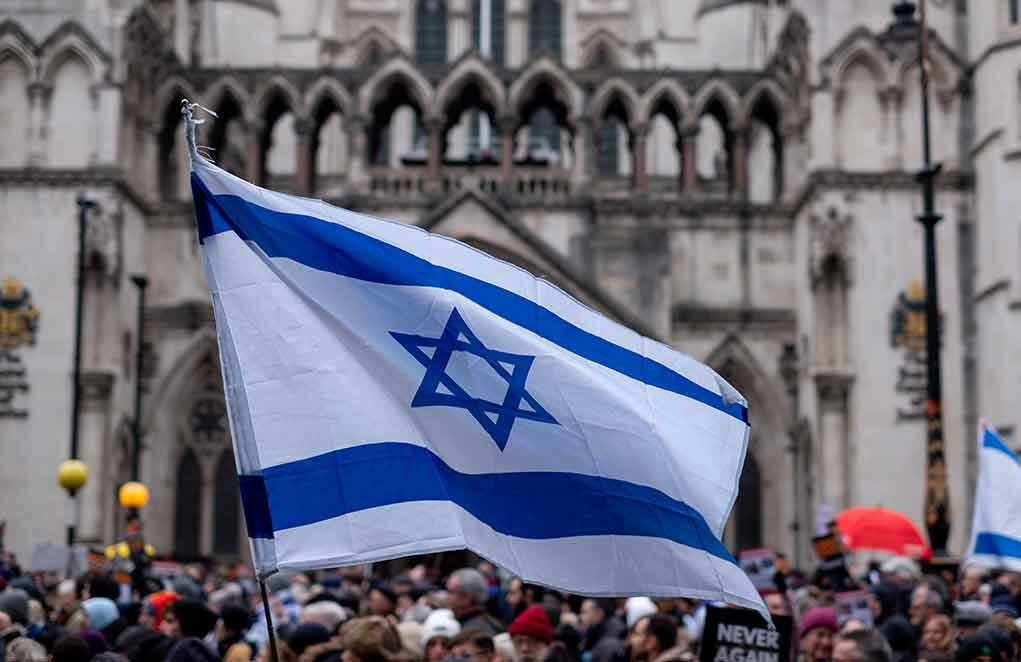
Coverage placed the parade’s scale and security front and center. Fifth Avenue filled with thousands, and the New York City Police Department deployed in force, reflecting the event’s size and sensitivity [4]. That backdrop heightened the optics: when city institutions mobilize to protect a major community gathering, the mayor’s empty spot on the line of march reads louder than any press statement. Critics called the choice a snub, arguing that unity events require the city’s top ceremonial figure to show up, regardless of policy disagreements [5][6].
The ideological calculus vs. the civic role
The mayor’s rationale matches a modern activist-governing playbook: honor a campaign promise, center moral clarity, and risk backlash for consistency. His words gave opponents an evidentiary foundation to claim the absence was political signaling instead of a neutral scheduling call [2][3]. Supporters may counter that attendance can appear as endorsement. Yet the mayoralty’s ceremonial layer exists to stand with communities, not to ratify every government abroad. Conservatives see that line as basic common sense: show up for New Yorkers first, debate foreign policy later.
Reports so far show no competing non-political explanation like a calendar conflict or unique security constraint tied to mayoral participation [2][4][5]. Absent such documentation, residents will default to the record: the mayor said he would not go, then did not go. When a tradition spans generations, a break feels like a verdict on the community attached to it. That is why this choice reverberates beyond a single Sunday; it sets a precedent that future mayors will either restore or deepen.
What the parade still proved about New York
New Yorkers turned out anyway, and law enforcement executed the plan without incident under the cameras’ gaze [4]. The city demonstrated resiliency that does not depend on any one official, a useful reminder in an era that too often personalizes institutions. Yet critics argue leadership is not only about operations; it is about presence. A mayor who skips a unifying ritual concedes the civic square to partisans, ensuring the parade becomes more, not less, politicized the next time around [5].
“Far-right Israeli ministers accused of inciting violence against Palestinians attended New York's annual Israel Day Parade on Sunday, while Zohran Mamdani became the first New York mayor in more than six decades to skip the event.” via @The_NewArab https://t.co/vjMBqfQtNN
— Karim Emile Bitar (@karimbitar) June 1, 2026
Policy-focused politicians often underestimate ceremonial power until it bites. The oath binds the office to represent the whole city, including people one will never agree with on policy. Showing up to a community event does not erase disagreements, but it signals a boundary: we are neighbors before we are combatants. That boundary is fraying nationwide. New York just supplied a case study that will be cited by activists and incumbents alike when they weigh whether to attend the next contentious parade [2][3][5].
Sources:
[2] Web – Zohran Mamdani to skip Israel Day Parade, breaking with …
[3] Web – Defying tradition, Mayor Mamdani will not march in Israel …
[4] Web – Why isn’t Mamdani attending the Israel Day Parade?
[5] YouTube – Thousands gather for Israel Day on 5th parade as …
[6] Web – Mamdani’s Israel Day Parade absence a ‘slap in the face,’ …
© targetliberty.org 2026. All rights reserved.