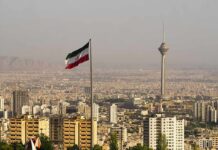

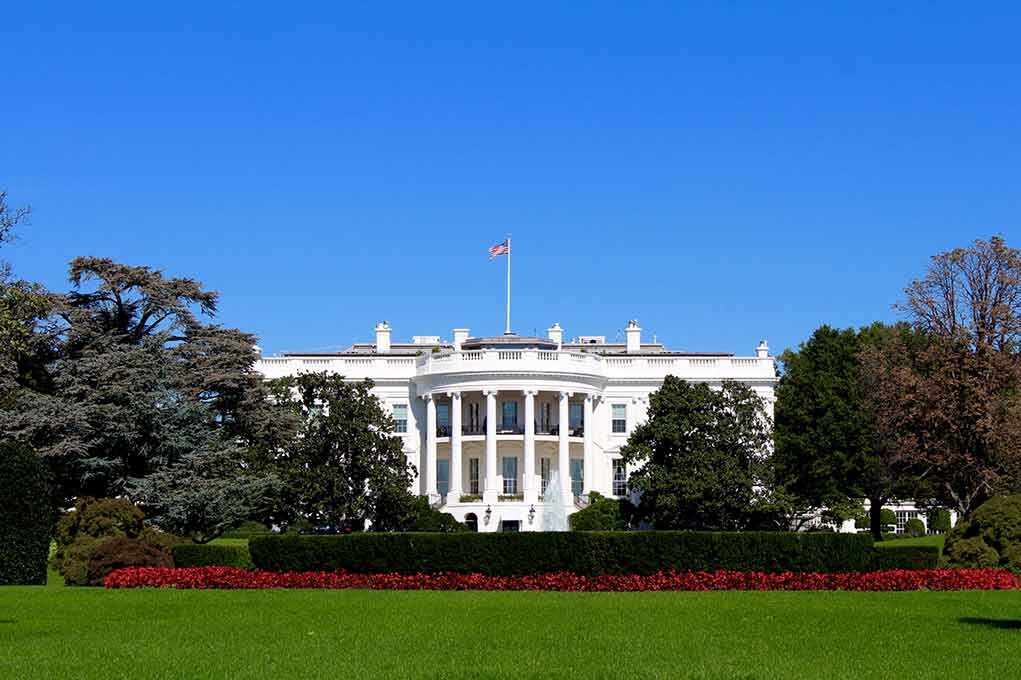
Seven unnamed U.S. officials told CNN that Iran scoped out a dirty bomb or chemical strike in Washington, D.C.—and the White House still said there was no credible threat.
Story Snapshot
- U.S. intelligence reportedly flagged Iranian planning with D.C. targets named.
- President Trump warned Iran of unmatched consequences for any attack.
- Officials called the planning “options,” not proof of an imminent strike.
- Tehran denied the claim and called it fabricated propaganda.
What U.S. Officials Say They Saw
CNN reported that seven U.S. officials described Iranian planning for a dirty bomb or chemical attack, with specific locations in Washington, D.C. named. Two officials said the intelligence triggered contingency steps. The same report said Iran’s moves looked like building options, not a final order to strike. It also cited chatter that materials were stashed in the United States, a detail that raises urgency even as proof remains undisclosed.
President Trump addressed the reports from the White House. He warned that if Iran attacked Washington, it would “pay a price the likes of which no country has ever paid before.” Homeland Security Secretary Markwayne Mullin said an attack on the capital would mean “an all-out war.” The statements sent a clear deterrent signal. The government also said it took the report seriously and had prepared responses if needed.
The Confusing Split-Screen: Grave Warning, Low Credible Threat
The same day the report landed, a White House spokesperson said there were no credible threats to the homeland. That message sat beside sharp public warnings from the President and the Homeland Security Secretary. The contrast is jarring but not rare. Intelligence often supports caution and readiness without proving an imminent plot. Officials stressed vigilance, but did not claim that an attack was underway or certain to happen.
Local safety officials in Washington, D.C., also said there were no credible threats at that time. Outside experts added that the activity could be pressure tactics. One nuclear-security specialist suggested Iran might want to send a message without crossing the line into a real attack plan. That view fits the “options” framing and helps explain the mismatch between stern warnings and calm security posture on the ground.
Dirty Bombs Are Terror Tools, Not Nuclear Weapons
A dirty bomb spreads radioactive material with a conventional blast. It is a psychological weapon meant to contaminate areas, cause fear, and disrupt life. It is not a nuclear explosion. The difference matters. The report does not say Iran has a nuclear warhead or plans to use one. It points to radiological or chemical terror options. That is still serious. It threatens lives, public health, and the capital’s core functions if ever carried out.
Iran denied the claim flatly. Its Foreign Ministry called the report a “fabricated media narrative.” Tehran said the United States was creating a pretext to target Iran. The denial adds a familiar layer: a narrative fight over intent, with both sides talking past each other. Without named sources or released documents, the public must weigh institutional trust against a hostile regime’s blanket denial.
How To Read This Without Getting Played
Classified leads rarely arrive wrapped with proof for public view. That is not new, and it is not always a trick. Good policy asks two questions at once: what is the worst case if this is real, and what is the cost if it is not? The administration’s mix of readiness and restraint tracks with that logic. Prepare hard, warn the adversary, and avoid panic. That stance aligns with common sense and the duty to protect Americans while facts get sorted.
Practical next steps would help close the trust gap. A redacted assessment could confirm dates, confidence levels, and whether multiple streams back the claim. Protective-service bulletins and court filings, even with sensitive lines blacked out, would show substance. If chatter about materials inside the country had teeth, seizure records or affidavits could prove it. These moves would anchor the debate in documents, not only quotes.
The Bottom Line For Washington And For You
Washington has seen real Iranian plots before, including the 2011 case to kill the Saudi ambassador. The base rate for malign intent is not zero. That history says take the warning seriously but parse it with care. The current picture shows potential plans, a firm U.S. deterrent message, no public proof of imminence, and a total Iranian denial. That is exactly when discipline matters most: strengthen defenses, keep politics out of threat calls, and demand verifiable facts next.
Readers should hold two thoughts. First, a dirty bomb in the capital would cause chaos, fear, and harm even without a nuclear blast. Second, evidence still sits behind a security wall. The government says it is ready. Iran says it is framed. Until documents, arrests, or seizures speak, judge claims by incentives and track records. Deterrence now, disclosure soon, and zero tolerance for games that endanger American lives.
Sources:
cnbc.com, cnn.com, edition.cnn.com
© targetliberty.org 2026. All rights reserved.