

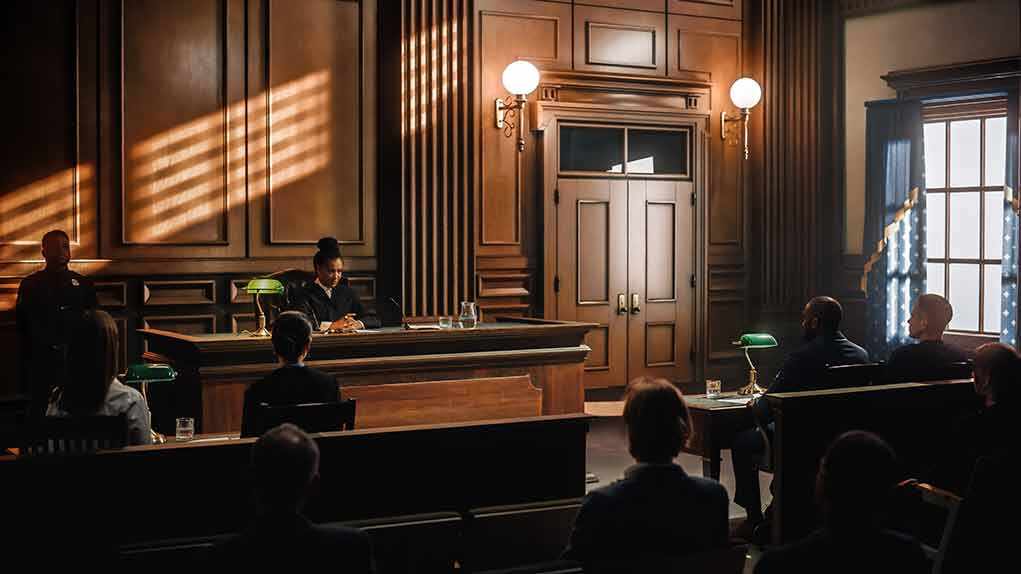
A single juror, a sharpened definition of “reasonable doubt,” and a judge’s restraint now sit between a mother and a murder verdict.
Story Snapshot
- Defense says one juror refused to follow the court’s reasonable-doubt instruction.
- The judge reread the standard instruction and sent jurors back to deliberate.
- Defense sought the juror’s removal; the judge declined and preserved deliberations.
- The court stressed the state’s burden and the duty to acquit if doubt remains.
The Flashpoint: A Holdout And The Burden Of Proof
The jury foreperson reported that one juror would not accept the judge’s explanation of the prosecution’s burden of proof. Defense attorney Kevin Reddington moved to remove that juror, saying the person refused to follow the law on reasonable doubt. Judge William Sullivan called the jury back and reread the reasonable-doubt instruction. He told them they must follow the law as he gave it and that the state carries the burden. The panel returned to the jury room to keep working.
Reddington pressed for more. He asked the court to direct jurors’ attention to reasonable doubt and to do it with force. Sullivan replied that he had read the instruction as written by the state’s highest court. He added he was not an actor and would not lean on tone to push the law harder than the text demands. That reply drew a clear line: the law speaks through the words, not the judge’s voice.
What The Judge Told The Jury—And Why It Matters
Sullivan reinforced bedrock rules. He said the prosecution must prove guilt beyond a reasonable doubt, not beyond all possible doubt. He defined the standard as an abiding conviction to a moral certainty that the charge is true. He told jurors to consider all the evidence as a whole and to acquit if any reasonable doubt remains after they finish that review. Those phrases track mainstream instructions used across serious trials.
The court also guarded the borders of the jury room. After the note, Sullivan questioned jurors individually to confirm they could follow the law. He then addressed them as a group, repeated the instructions, and refused to remove the holdout. He said aligning with the one or the eleven would be improper. His response matched a careful playbook: clarify the law, protect deliberations, and avoid picking sides inside the jury’s debate.
The Defense Gambit: Preserve Doubt, Preserve Appeal
Reddington’s objection served two goals: sway the current jury and bank an issue for later. If one juror resists the law, removal could open a path to a verdict. If the court refuses, the defense can argue on appeal that the judge underemphasized reasonable doubt or failed to address juror misconduct. Courts do allow removal when a juror will not deliberate or will not follow instructions, but judges must find strong, specific proof before taking that step. The judge did not see that proof here.
A deadlocked jury returns Friday for the seventh day of deliberations in the Lindsay Clancy trial, a day after the jury's foreperson told the judge a single juror won’t follow the court’s instructions about reasonable doubt.https://t.co/YsiJeklD88
— WCHS-TV (@wchstv) September 4, 2026
Conservative common sense says the rule of law beats the rule of vibes. Jurors promise to take the law from the court, even if they disagree with it. When a judge delivers the standard instruction and reminds jurors that doubt means acquit, that protects both the defendant and the public’s trust. The defense claim that the reinstruction was “too soft” reads more like strategy than law, given the judge’s reliance on approved language. The jurors now own the facts—and the finish.
Sources:
facebook.com, abc7.com, ctinsider.com, dailywire.com, bostonglobe.com, youtube.com, patriotledger.com
© targetliberty.org 2026. All rights reserved.