
A BBC question about an alleged Iranian school strike set off another clash over media accuracy, and Trump answered by blasting what he called fake framing.
Quick Take
- Available clips show Trump reacting to a reporter’s question about an Iranian girls’ school strike.
- The provided record does not include the full BBC transcript, so the exact wording of the question cannot be verified.
- Trump’s reply did not concede the claim, and he said he was still investigating the matter.
- The reporting package shows how clipped video can shape public judgment before the full context is available.
What the Available Clip Shows
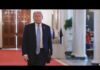
The clearest evidence in the research package is a reposted video clip showing Trump responding to a question framed around an Iranian girls’ school strike [1]. The clip and transcript fragments indicate that Trump pushed back rather than accepting the premise, saying he did not know about it and that the matter was still under investigation [2][3]. That response matters because it shows the exchange was not a simple admission, but a dispute over the question itself.
The reporting record, however, stops short of proving the BBC question was accurately grounded in a confirmed event. The package does not include the original BBC broadcast transcript, raw pool footage, or an on-the-record incident report establishing the school strike details [1][3]. That leaves a major gap for anyone trying to determine whether the reporter asked a fair question, repeated an unverified claim, or mischaracterized a developing wartime allegation.
Why the Context Matters
Trump’s reaction fits a familiar pattern in modern political media: a short, high-drama clip spreads faster than the underlying facts. In this case, the available materials suggest the public is being asked to judge a dispute without the source documents that would settle it [1]. For conservatives who have watched legacy outlets frame stories with obvious hostility, that lack of transparency only deepens skepticism about whether the reporter’s premise was solid.
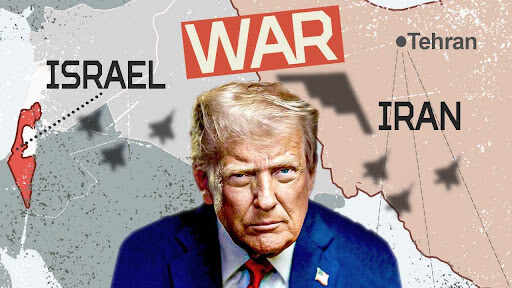
The same caution applies to the broader war context. The research notes that the clip concerns the 2026 Iran war and a reported school strike, but it does not provide a primary-source incident file showing exactly what happened on the ground . Without that record, confident claims about blame, intent, or the legitimacy of the question go further than the evidence supplied here. A responsible reading should separate verified facts from activist-style certainty.
What Trump’s Response Signals
Trump’s complaint about “fake” framing reflects a broader fight over trust in institutions that many Americans already view as detached from common sense. His answer, as preserved in the available clip, suggests he saw the question as loaded and refused to treat the accusation as established fact [2][3]. That does not prove the reporter was wrong, but it does show Trump was not handing the media an easy narrative on a topic involving war, civilian claims, and American responsibility.
BREAKING: TRUMP CRASHES OUT ON BBC REPORTER FOR ASKING ABOUT US STRIKE ON MINAB GIRLS SCHOOL AT START OF IRAN WAR:
REPORTER: Admiral Cooper was asked yesterday about the strike on the girls' school
TRUMP: Well, it's under investigation
REPORTER: Are you able to confirm it was… pic.twitter.com/e9Hg3diJXe
— 𝐀𝐥𝐦𝐨𝐮𝐬𝐚𝐰𝐢_𝐇𝐐 (@Almuosavi_hq) May 15, 2026
The strongest takeaway is not that the matter is resolved, but that it is not resolved. The record provided here supports only a narrow conclusion: a reporter asked Trump about an alleged strike, Trump rejected the framing, and the full evidentiary chain behind the question is missing [1][2][3]. Until the original transcript and unedited footage surface, viewers should treat the story as an incomplete media dispute, not a settled factual account.
Sources:
[1] Web – Trump responds to question on Iranian girls’ school strike
[2] YouTube – Hegseth asked about bombed Iranian school, Trump reacts to new …
[3] YouTube – Trump on Iranian school bombing: “I don’t know about that”