

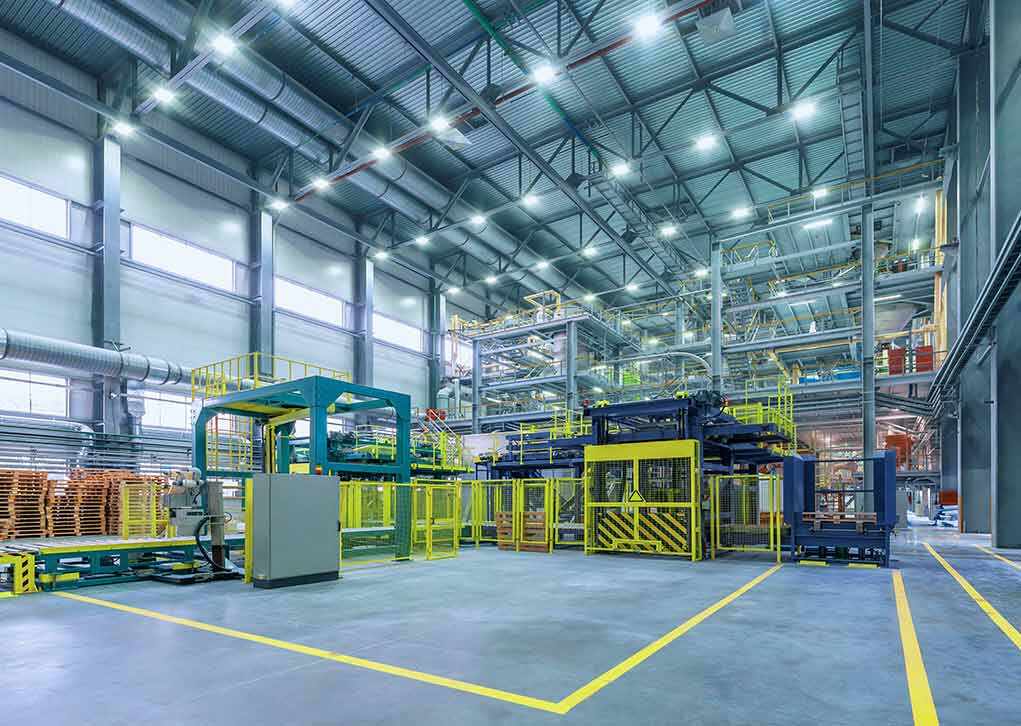
International Motors closed its Springfield truck operations and terminated about 1,341 jobs as the sale to Roshel took effect, with the buyer planning a phased restart and future rehiring.
Story Snapshot
- International Motors filed a state notice to sell its Springfield facilities to Roshel and end most jobs at closing.
- About 1,341 workers lost jobs at the assembly plant and specialty center, ending a six-decade run in the city.
- Roshel says it will recognize the union, restart in phases, and aims to grow headcount over time.
- Federal layoff rules required International Motors to issue notice before the ownership change.
What Changed: The Sale Triggered Layoffs At Closing
International Motors told Ohio officials it agreed to sell most Springfield assets to Roshel and expected to terminate virtually all employees on the sale’s effective date, covering both the Springfield Assembly Plant and the Truck Specialty Center. Local reporting placed the job loss at roughly 1,341 roles tied to the two sites. The company’s notice followed the Worker Adjustment and Retraining Notification Act, which requires advance alerts when closures or mass layoffs meet the law’s thresholds.
The legal frame matters because a sale by itself does not count as job loss under federal guidance if workers move straight to the buyer without a break in service. When layoffs occur up to and including the moment of transfer, the seller must provide the notice. After the sale, the buyer carries that duty if further cuts occur. The Springfield timeline fits that pattern: layoffs at closing, followed by a buyer-led ramp plan under new ownership.
Roshel’s Plan: Phase In, Rehire, And Expand Over Time
Roshel indicated it intends to take up operations at both Springfield sites after the deal closes and said it would recognize the union and negotiate terms, a key signal for continuity once production restarts. Company statements described a phased process that aims not only to protect current workers but to more than double employment in the coming years, contingent on implementation and market demand. Local coverage reported many workers expect a six to twelve month window before possible recalls begin.
These goals do not erase the immediate shock to families who just lost their paychecks. They do set a clear yardstick for accountability. A phased restart should show visible steps: tooling updates, supplier contracts, training schedules, and posted job openings tied to realistic production targets. A promise to expand should track with signed orders and a production plan the workforce can see and measure quarter by quarter.
The Human Cost And The Factory’s Long Shadow In Springfield
The Springfield truck plant anchored local livelihoods for more than sixty years. Generations built careers there, learned skilled trades, and passed the badge from parent to child. The closure at the point of sale left over a thousand households scrambling for next steps, even as some held hope for rehiring once Roshel ramps up. Community services, small businesses, and schools all feel this kind of blow because factory wages ripple through every diner, shop, and mortgage on the block.
Nearly 1,400 workers were laid off at a former Navistar truck plant in Springfield, Ohio, three days before Trump's rally nearby.
The cuts basically erase a year of job growth in the Dayton area.
Can any campaign promise win these voters back?#Ohio #Layoffs pic.twitter.com/LlRQNQTrA5
— Black Box Intel (@bl4ckboxintel) October 4, 2026
Officials and employers cannot hand-wave that pain. When a plant cycles down, the right response is fast placement support, clear retraining pathways, and bridge income where qualified. The buyer’s pledge to recognize the union matters here. A strong, local bargaining table can speed fair recall rules, protect seniority where feasible, and align training to the new product mix. That is common sense: keep experienced hands close, and the restart runs smoother and safer.
How To Read The Headlines: Layoff Notices And Reality On The Ground
Large plant transfers often create headline whiplash. The seller’s legal notice says “layoff,” and the buyer’s message says “rebuild.” Both can be true. The Worker Adjustment and Retraining Notification Act forces clarity on timing; it does not forecast the final job count under new ownership. The Springfield case tracks that script: a lawful layoff notice at closing by International Motors, followed by Roshel’s stated plan to bring the site back in stages.
Focus on verifiable markers in the months ahead. Watch for capital investment at the assembly and specialty sites, posted schedules, supplier signings, and actual payroll growth. Hold leaders to their words. If Roshel meets its plan, Springfield keeps its manufacturing muscle and may even add it. If not, the community will know who promised what and when—and can respond with facts, not spin.
Sources:
feedpress.me, dam.assets.ohio.gov, wyso.org, cincinnati.com, spectrumnews1.com, ttnews.com, springfieldnewssun.com, apnews.com, dol.gov
© targetliberty.org 2026. All rights reserved.