

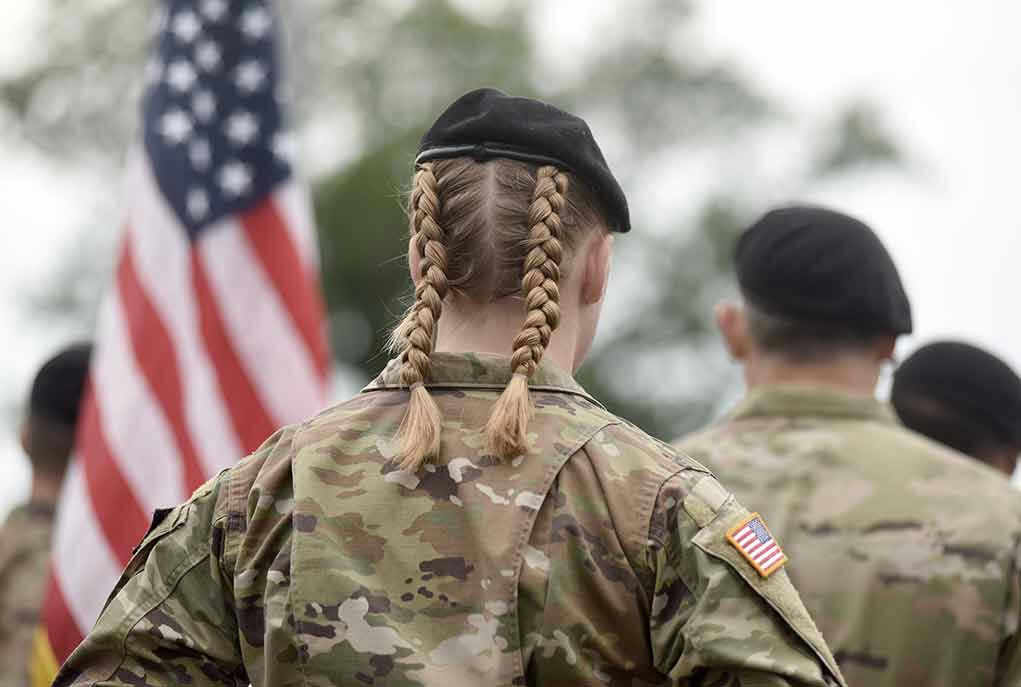
A new policy threatens the effectiveness of women in combat roles, reigniting debates over their capabilities and integration.
Story Overview
- Women in combat roles face ongoing scrutiny, proving their capabilities daily.
- The ban on women in direct ground combat was lifted in 2013, opening all roles by 2016.
- Integration continues to face cultural and logistical challenges within military units.
Women’s Journey to Combat Roles
Since the lifting of the U.S. ban on women in direct ground combat roles in 2013, women have been effectively serving in various capacities. By 2016, all combat roles, including infantry, armor, and special operations support, were officially open to women. Despite this progress, women still face daily challenges to prove their effectiveness and legitimacy to skeptical peers and leaders who harbor doubts rooted in historical exclusion and gender norms.
Women in these roles describe a constant need to validate their performance through physical tests, field proficiency, and unit contributions. This struggle is not just about meeting the standards but being recognized as a full member of the team. Efforts to create a gender-neutral evaluation system are ongoing, but many women still find themselves under intense scrutiny, needing to demonstrate their capabilities every day.
Current Developments and Challenges
Women remain a minority in combat arms, leading to increased visibility and pressure to outperform. The U.S. Department of Defense emphasizes that standards will not be lowered, requiring women to meet the same rigorous requirements as their male counterparts. This steadfast policy aims to ensure that all service members, regardless of gender, are held to the highest standards of military effectiveness.
Despite formal integration, the numbers of women in combat roles remain relatively low. The military continues to adjust physical fitness and combat readiness standards to be job-relevant and gender-neutral. The adaptation of facilities and equipment to accommodate women is also ongoing, yet the pace of these changes is often slow.
Impact and Future Outlook
The inclusion of women in combat roles is expected to expand the talent pool for high-demand positions, easing pressures on the all-volunteer force. However, the initial costs of training and integration remain a concern. Cultural adaptation within units is uneven, with some personnel resistant to changing norms. Over time, the presence of women in combat roles could influence other sectors, such as law enforcement and corporate diversity initiatives, by challenging traditional gender roles.
As women continue to serve and prove their capabilities, they lay the groundwork for future generations. The military’s commitment to gender-neutral standards and equal opportunities is a step toward a more inclusive force, though the journey is far from over. Ongoing support and recognition of women’s contributions will be crucial in achieving true integration and acceptance.
Sources:
Timeline of women in warfare in the United States from 1950 to 1999
Over 200 years of service: The history of women in the US military
Timeline: Women in the US Army
Evolution of women’s roles in the military