Seattle’s World Cup “Pride match” is forcing the city’s woke politics to collide head‑on with the hard realities of Islamic law on homosexuality.
Story Snapshot
- Seattle officials are planning a World Cup “Pride match” at Lumen Field as part of the 2026 FIFA tournament.
- The city has reportedly scheduled two national teams from countries that criminalize or prosecute homosexual behavior to play in the event.
- The clash exposes deep hypocrisy in Western woke activism that criticizes U.S. Christians while tiptoeing around Islamic regimes.
- Local and national leaders must decide whether they stand for genuine human rights or symbolic virtue‑signaling.
Seattle’s Pride Branding Meets World Cup Realities
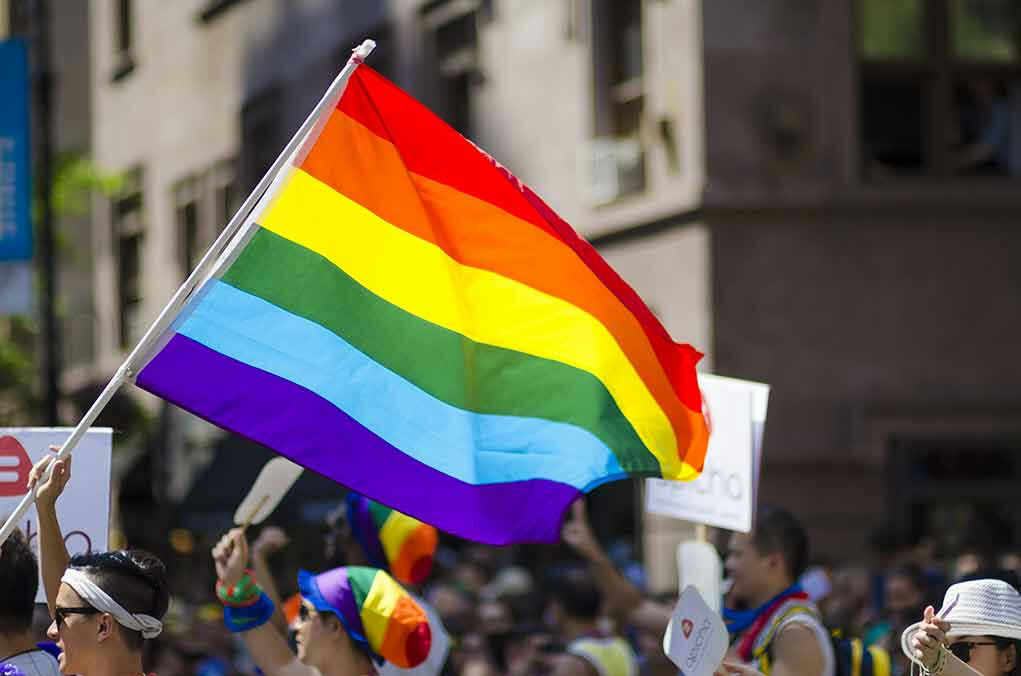
Seattle city leaders are promoting a special “Pride match” when Lumen Field hosts six FIFA World Cup games in 2026, branding the city as an inclusive, progressive showcase for global soccer. The organizing committee wants to turn one game into a centerpiece for LGBTQ celebration, with rainbow-themed marketing and civic events wrapped around the match. Officials are leaning heavily into symbolism, promising a festival of diversity, equality, and pride in front of an international television audience.
Reports now indicate that the two teams lined up for this “Pride match” come from countries where homosexual activity is criminalized and, in some cases, prosecuted with harsh penalties, including imprisonment. That tension lays bare a stark contradiction: Seattle elites are eager to lecture American conservatives on tolerance, yet they have willingly partnered with regimes that use the power of the state to punish the very lifestyle they claim to celebrate. The game risks turning into a photo-op masking serious human rights abuses.
Progressive Double Standards on Faith and Human Rights
Seattle’s political establishment has spent years portraying Bible-believing Christians and traditional families as the primary threat to LGBTQ rights at home, using law, policy, and public pressure to push religious Americans out of the public square. Those same leaders, however, now appear silent about Islamic governments that criminalize same-sex relationships and, in some jurisdictions, impose brutal punishments. The selective outrage suggests politics, not principle, drives much of the city’s activism on sexuality.
American progressives frequently portray themselves as global human rights champions, yet their response to foreign persecution of gays is often muted when it risks accusations of “Islamophobia” or cultural insensitivity. By inviting and celebrating teams from countries that actively prosecute homosexual behavior, Seattle officials risk signaling that Western conservatives are fair game for condemnation, while non-Western regimes receive a pass. That message undermines any claim to moral consistency and cheapens the language of equality and dignity they invoke.
Security, Speech, and the Risk of Imported Conflicts
Hosting a politicized “Pride match” with teams from nations that criminalize homosexuality raises practical concerns about stadium security, free expression, and fan safety. Law enforcement will need to manage potentially tense interactions between local activists, visiting fans, and immigrant communities with strong religious convictions. That environment could easily create flashpoints if demonstrators test the limits by targeting the visiting countries’ flags, players, or religious symbols, or if foreign supporters react aggressively to in-your-face pride messaging in and around the stadium.
Seattle also faces the challenge of protecting free speech rights for all sides while preventing violence and intimidation. American citizens, including practicing Muslims and Christians, retain the right to voice disagreement with pride ideology, just as activists retain their right to peaceful expression. If city officials, under pressure from FIFA or activist groups, restrict certain viewpoints in the name of “inclusion,” they risk trampling the First Amendment while failing to address the deeper conflict between Western identity politics and traditional religious teachings.
Taxpayer Priorities and Symbolic Politics in the Trump Era
Seattle’s local decisions unfold against a national backdrop where the Trump administration has moved sharply away from federally driven identity politics, focusing instead on border security, economic growth, and rolling back DEI mandates in government and education. While Washington, D.C., shifts priorities toward law and order, energy independence, and protection of American culture, Seattle’s leadership appears more focused on staging symbolic events that cater to activist networks. That disconnect underscores the growing divide between coastal progressive cities and the rest of the country.
Conservatives watching this World Cup “Pride match” plan will see a familiar pattern: local elites using public resources and global spectacles to advance a cultural agenda, while ignoring basic contradictions and the everyday concerns of working families. Whether Seattle learns from this clash of values will depend on whether citizens demand honesty about foreign regimes, insist on consistent human rights advocacy, and refocus city leadership on safety, fiscal responsibility, and respect for the faith and freedoms of all Americans.