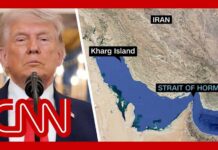

A two-week ceasefire between the United States and Iran just triggered the largest single-day oil price collapse since the 1991 Gulf War, sending shockwaves through global markets and raising urgent questions about whether this fragile truce can hold long enough to prevent economic catastrophe.
Story Snapshot
- Crude oil prices plummeted 13-15% below $100 per barrel after President Trump accepted a Pakistan-brokered ceasefire with Iran on April 7, 2026
- Global stock markets surged with U.S. futures up 2.6-3.3%, European indices climbing 3.7%, and Asian markets jumping 4.6% as war fears subsided
- The ceasefire opens the Strait of Hormuz for shipping after a five-week closure that halted 25% of global maritime oil trade and forced Middle Eastern producers to cut 7.5 million barrels per day
- Physical oil markets remain disrupted with Dated Brent hitting a record $144.42, revealing a stark disconnect between futures optimism and supply chain reality
- Permanent peace talks scheduled for Friday in Islamabad will determine whether markets can sustain their rally or face renewed volatility
From Escalation to Emergency Diplomacy
The conflict that pushed oil from $73 per barrel in late February to crisis levels began when U.S.-Iran tensions exploded into open warfare. Within weeks, Iran effectively shut down the Strait of Hormuz, the chokepoint through which a quarter of the world’s seaborne oil flows. Major producers including Iraq, Saudi Arabia, Kuwait, the UAE, Qatar, and Bahrain slashed output by 7.5 million barrels daily in March as export routes vanished. Trump’s announcement Tuesday evening came just hours before planned strikes on Iranian targets, making Pakistan’s mediation effort a last-minute intervention that potentially averted broader regional catastrophe.
The Market Response That Shocked Analysts
Wall Street and global exchanges erupted Wednesday morning as traders processed the ceasefire implications. Brent crude collapsed 13% to $95 per barrel while West Texas Intermediate dropped 14-15% to $96, marking the steepest decline since Saddam Hussein’s forces retreated from Kuwait three decades ago, excluding the pandemic-driven crash. Energy stocks tumbled while travel and leisure sectors rocketed double digits higher. German bunds rallied with yields dropping 0.16% to 2.91%, UK gilts fell 0.19% to 4.71%, and gold surged 2.5% to $4,816 as investors repositioned portfolios for a potential peace dividend.
The Strait of Hormuz Puzzle
Iran’s agreement to reopen the strait came with conditions that analysts find troubling. The Supreme National Security Council stipulated that passage requires coordination with Iranian armed forces and must accommodate unspecified technical constraints. Shipping companies, which endured five weeks of near-total disruption to energy and goods supplies, now face a critical decision about whether the security guarantees justify risking vessels and crews. CSIS analyst Seig emphasized that operators need ironclad safety assurances before resuming transit. Deutsche Bank analysts warned that the pace of shipping resumption will determine whether markets can sustain their optimism or face disappointment.
The Physical Market Disconnect
While futures traders celebrated, physical oil markets told a different story. Dated Brent, which reflects actual barrels changing hands rather than paper contracts, hit $144.42 per barrel, surpassing the 2008 financial crisis peak. This record high exposes the gap between hopeful speculation and ground-level supply constraints. Current prices remain roughly 30% above pre-conflict levels despite the futures plunge, signaling that producers, refiners, and consumers understand that two weeks barely allows time to assess whether the Strait of Hormuz can return to normal operations, much less rebuild fractured supply chains across the Middle East.
What Two Weeks Can and Cannot Accomplish
Morningstar’s Michael Field captured the prevailing skepticism among energy experts when he noted that hope for peace requires more than sentiment to translate into full equity market recovery. The ceasefire creates breathing room for diplomacy but leaves fundamental questions unresolved. Can shipping operators secure adequate insurance for Hormuz transit? Will Iranian coordination requirements slow traffic to economically unviable levels? Can Middle Eastern producers ramp up the 7.5 million barrels per day they cut, or have wells and infrastructure suffered damage requiring months to repair? The Friday negotiations in Islamabad carry enormous weight because temporary measures rarely transition smoothly to permanent solutions when regional powers harbor deep mutual distrust.
The Fragility Beneath the Rally
Markets delivered their verdict on the ceasefire with unmistakable enthusiasm, but smart money recognizes the difference between relief and resolution. Trump leveraged military pressure to force Iran’s hand, while Tehran used its geographic advantage controlling the strait to extract concessions. Pakistan’s mediation succeeded where direct U.S.-Iran talks failed, demonstrating that both sides needed face-saving cover to step back from the brink. The two-week window offers opportunity but also highlights how quickly conditions could deteriorate if either party perceives betrayal or if an incident at sea reignites hostilities. Traders betting on sustained peace must weigh whether diplomatic momentum can overcome decades of animosity in a matter of days.
The oil price collapse and market surge reflect genuine hope that catastrophic escalation can be avoided, yet the record physical prices and cautious expert commentary reveal awareness that this ceasefire represents a beginning, not an ending. Whether Friday’s talks in Islamabad produce a durable framework or merely postpone inevitable conflict will determine if April 7, 2026, marks a turning point toward stability or just a brief pause before markets confront an even grimmer reality. For now, Wall Street celebrates while energy analysts count the days until answers emerge.
Sources:
Oil prices plunge following U.S.-Iran ceasefire – Axios
Stock Markets Jump, Oil Prices Tumble on US-Iran Ceasefire – Morningstar