
What happens when non-citizens are mistakenly summoned for jury duty, and some even appear on voter rolls?
Story Snapshot
- 239 non-citizens were summoned for jury duty in Macomb County over four months.
- 14 of those summoned were found to be registered to vote.
- The issue highlights potential database flaws in Michigan’s systems.
- County Clerk Anthony Forlini is pushing for greater election and jury integrity.
Non-Citizens in Jury Pools: A Startling Discovery
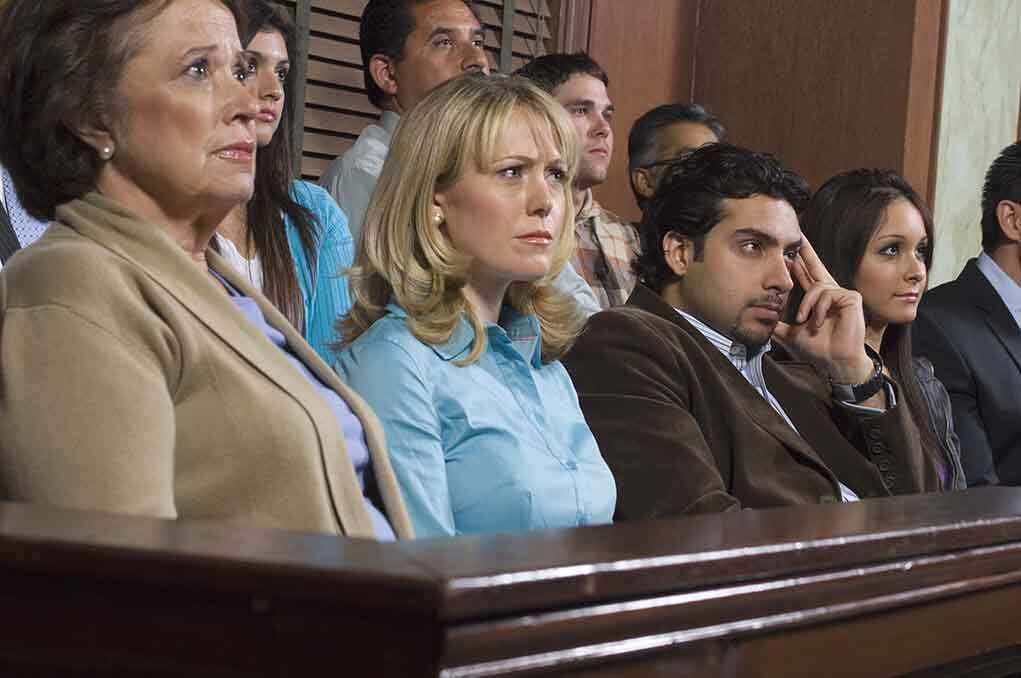
Macomb County, Michigan, found itself at the center of a growing concern when County Clerk Anthony Forlini revealed that 239 non-citizens had been summoned for jury duty over a four-month period. The discovery was made through a meticulous cross-referencing process between jury summons data and the state’s driver’s license database. This unsettling revelation points to potential flaws in Michigan’s systems, where non-citizens, who are legally eligible for driver’s licenses, inadvertently find themselves in the jury selection pool.
The implications of this discovery extend beyond jury duty. Of the 239 non-citizens, 14 were found to be registered to vote, raising questions about the integrity of the voting system. Forlini, who is currently running for Secretary of State, has emphasized the alarming nature of these findings, framing them as election and jury integrity issues. His concerns are not isolated; they echo broader national debates about election security and the accuracy of state databases.
Database Flaws and Their Consequences
The root of the problem lies in how Michigan generates its jury pools. The state’s driver’s license database, which includes non-citizens eligible for licenses, serves as the source for these lists. This system inadvertently allows non-citizens to be selected for jury duty, a civic responsibility intended solely for citizens. The overlap between the driver’s license database and voter rolls further complicates matters, as seen in the 14 non-citizens who were registered to vote.
Forlini’s findings have prompted a call for action. He has urged a comprehensive review of the state’s databases to ensure their accuracy and integrity. The Michigan Secretary of State’s office, responsible for managing these databases, has responded by inviting Forlini to collaborate with the Bureau of Elections to review the data. This dialogue signifies a step toward addressing the discrepancies and preventing future occurrences.
Political and Social Implications
The discovery has stirred political and social discourse within Macomb County and beyond. Forlini, along with Republican allies such as former Secretary of State Candice Miller and State Representative Joe Aragona, is advocating for systemic checks to ensure only citizens participate in jury duty and voting. This stance aligns with Republican priorities on election integrity and security.
The Secretary of State’s office, led by Democrats, maintains that the system functions as intended, with measures in place to investigate any voting fraud. However, the incident has amplified partisan debates, with legislative oversight proposed to address potential vulnerabilities in the system. This political tension underscores the broader national conversation about election security, particularly in swing states like Michigan.
Next Steps and Potential Reforms
The immediate impact of these revelations is a heightened scrutiny of Macomb County’s jury selection and voter registration processes. In the long term, these findings could catalyze statewide reforms to enhance the accuracy of Michigan’s databases. Such reforms would aim to prevent non-citizens from being erroneously selected for civic duties and ensure the integrity of the voting system.
Michigan County Clerk Discovers 239 Non-Citizens Selected For Jury Duty Over 4-Month Period, With 14 Registered To Vote | ZeroHedge https://t.co/iQoFdlIQcF
— D (@DexterFMorgan) January 14, 2026
Forlini’s advocacy for database integrity aligns with his campaign for Secretary of State, where he champions election accuracy and security. As the conversation unfolds, the involvement of state legislators and public officials will be pivotal in implementing changes. The case serves as a reminder of the importance of robust systems in maintaining public trust in civic processes.