

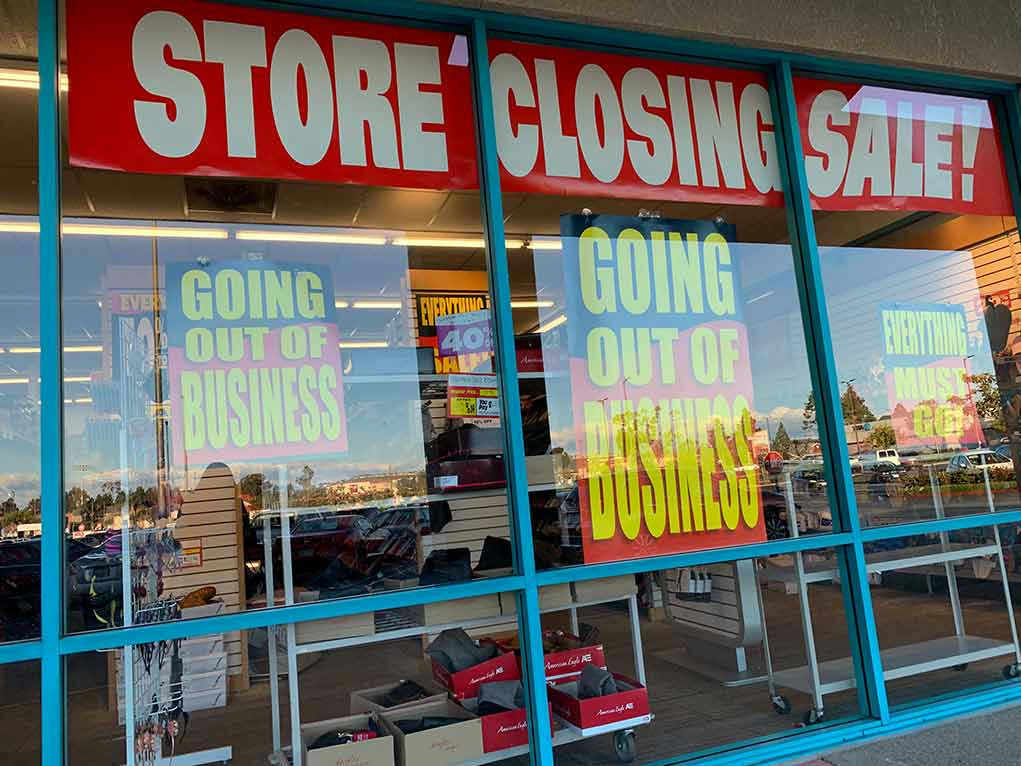
December’s so‑called “Golden Quarter” turned into fool’s gold, with shoppers packing stores yet leaving retailers with thin tills and even thinner margins.
Story Snapshot
- December footfall held up, but real sales and profits disappointed many retailers
- Cost-of-living pressures pushed households to trade down, delay, and demand discounts
- Small retailers saw higher traffic but a 2.2% real drop in December sales
- The Golden Quarter no longer guarantees golden profits in a high-cost era
December Looked Busy, But The Math Did Not Add Up
Retailers across the UK and US entered December expecting the traditional Golden Quarter surge to rescue a tough year, only to discover that crowds no longer equal cash. Reports from British high streets describe a Christmas period where December failed to deliver a meaningful uplift in sales, leaving fashion and general merchandise chains with disappointing Q4 outcomes despite wall-to-wall promotions and extended trading hours. Shoppers came, browsed, compared, and then walked away or bought less than retailers banked on.
Small retailers in the US faced a similar reality check. Fiserv’s December Small Business Index recorded retail sales down 2.2% year over year in real terms, even as traffic ticked up more than 1%. Consumers processed more transactions but bought fewer items per visit and hunted aggressively for deals, squeezing margins. December, the month that usually fattens balance sheets, instead exposed how little pricing power many merchants now have when households are watching every dollar and pound with forensic care.
Cost Of Living Turned Holiday Traditions Into Budget Exercises
Households did not suddenly lose their taste for Christmas; they lost room in their budgets. Rising rent, utilities, groceries, and debt servicing absorbed paychecks long before anyone thought about gifts or gadgets, pushing consumers to trade down, buy fewer discretionary items, or skip them entirely. Surveys ahead of the season showed 84% of consumers expecting to cut back overall, with PwC projecting a roughly 5% decline in holiday spending versus 2024 and more than half blaming higher prices directly.
This pressure did not vanish just because the calendar flipped to December. Bank and consultancy research pointed to a K-shaped pattern: higher-income households maintained much of their spending, but even they shifted into private labels and cheaper options in categories like packaged foods. Lower- and middle-income families relied more on buy-now-pay-later and credit cards to preserve some semblance of holiday normalcy, effectively borrowing from tomorrow’s paycheck to fund today’s celebrations. The emotional desire to keep traditions alive collided with the hard math of higher interest rates and stubbornly elevated prices.
Discounts, BNPL, And The Illusion Of Strong Holiday Sales
Headline holiday sales figures still looked respectable in some reports, but the composition tells a more sobering story. Black Friday and Cyber Monday produced solid top-line numbers that were driven more by higher average selling prices than by volume growth. Online order volume slipped about 1% year on year, units per transaction fell 2%, and yet average prices climbed around 7%, revealing that consumers were paying more per item, not buying more items. Retailers leaned on promotions while quietly counting on inflation to pad revenue.
This strategy came with a price. Discount depth averaged roughly 28% across key categories, which many consumers judged inadequate relative to what they had endured at the grocery store and the gas pump. Shoppers responded by cherry-picking deals, postponing purchases, or waiting until late December or January clearance. Meanwhile, the rise of BNPL and expanded credit limits kept the payment terminals beeping but raised questions about future delinquencies if the labor market softens or rates remain elevated. From a conservative, common-sense lens, building holiday sales on easy credit instead of real wage gains looks less like prosperity and more like a can kicked down the road.
The Golden Quarter’s Business Model Is Being Rewritten
The disappointment of December lands hardest on retailers whose business models assume that Q4 will bail out weaker earlier quarters. Large department stores and multi-category chains depend on November–December for a disproportionate share of annual profit, yet years of structural change have undermined that old playbook. The pandemic accelerated the shift to online and omnichannel, while the cost-of-living crisis punished formats that rely on leisurely browsing and impulse buying rather than sharp value.
Economic census data already showed substantial five-year declines in revenue and employment for certain in-person formats like electronics and department stores before this latest season. December’s underperformance adds another layer of pressure, especially for operators stuck in the mushy middle: not cheap enough to win value hunters, not distinctive enough to justify premium pricing. The market appears to be rewarding two clear poles—discount/off-price and truly premium experiential retail—while squeezing those that tried to coast on legacy brands and nostalgia for bustling holiday aisles.
Small and independent retailers, often the backbone of local communities, face an even harsher reality. Fiserv and Bank of America Institute data point to negative profitability growth for small retailers by late 2025, the first such turn in a year and a half. These businesses shoulder rising wages, rents, and tariffs while offering discounts aggressive enough to compete with big-box and e-commerce players. Many processed more transactions in December without the corresponding profit lift, a sign that the current model of chasing traffic with promotions is unsustainable once you strip away the marketing gloss.
What December’s “Miss” Signals For 2026 And Beyond
The broader economic signal from this disappointing December is not collapse but fatigue. Consumer spending still moves the economy forward, yet research describes it as advancing with visible hesitation, increasingly reliant on discounts, credit, and careful trade-offs between essentials and treats. Weaker real holiday sales risk dragging on GDP contributions from discretionary categories, while retailers reconsider store footprints, inventory bets, and capital investment.
From a policy and cultural standpoint, the cost-of-living squeeze keeps inflation, wages, and affordability at the center of political debate.[4][5][7][9] Households may continue normalizing scaled-back holidays, more practical gifting, and a sharper distinction between wants and needs. For retailers, the message from December is blunt: crowded stores and glossy top-line numbers no longer guarantee true prosperity. In an era of high living costs and elevated rates, the Golden Quarter has turned into a stress test—for business models, for household finances, and for any narrative that claims everything is fine as long as the malls look busy.
Sources:
Golden Quarter falls flat as December fails to boost retail sales
December footfall falters as shoppers hold out for sales
Small-business retailers see higher traffic but December sales drop
PwC Holiday Outlook and consumer trends
Retail ends 2025 with sales gains and plenty of doubt
Black Friday–Cyber Monday 2025 winners and losers analysis
McKinsey: The state of the US consumer
Economic Census five-year look at retail
Holiday shopping and what it reveals about the US economy