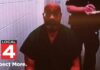
After 36 years of haunting families and a community, Houston police arrested a suspect in the brutal “Lovers Lane” murders, proving persistence in justice triumphs over time.
Story Highlights
- Suspect arrested in 2026 for the 1990 double murder of young couple Cheryl Henry and Andy Atkinson in west Houston’s secluded Lovers Lane.
- Breakthrough follows decades of DNA evidence linking the killings to a prior rape, validating cold case advancements.
- Families endure lost futures but now eye closure after relentless public pleas and investigative grit.
- Case underscores value of forensic persistence amid early optimism turning to despair.
The Brutal 1990 Murders
On August 23, 1990, 22-year-old Cheryl Henry and 21-year-old Andy Atkinson met their end in a remote wooded area off Enclave Parkway near Eldridge Parkway, known locally as Lovers Lane. The couple had left Bayou Mama’s nightclub the night before in Andy’s white Honda Civic. Cheryl endured rape, her throat slit, and her naked body concealed under wooden boards marked with Andy’s golf club and balls, a $20 bill nearby. Andy, bound to a tree, nearly decapitated, watched her suffer first. Crime scene clues included blood, duct tape, a turquoise dress, and golf items.
Decades of Investigative Dead Ends
West Houston’s isolated spot drew young couples seeking privacy in 1990 amid suburban expansion, but it turned deadly for this pair of early-relationship professionals—Cheryl a bubbly blonde, Andy charismatic with green eyes. DNA technology, then nascent and expensive, stalled progress. A February 1990 rape of an exotic dancer at Gigi’s nightclub matched Lovers Lane DNA in 2007, yielding a composite sketch but no arrest. The dancer, employed by Andy’s father Garland Atkinson, faced binding with duct tape and gun taunts, profiling a peer-aged, intelligent low-achiever possibly known to victims.
Family Agony and Public Appeals
Cheryl’s sister Shane Craig witnessed their last nightclub sighting and became family spokesperson seeking justice. Fathers Robert Henry and Garland Atkinson pushed for tips, with Robert urging conscience relief for witnesses. Mothers Ann Fowler and Barbara Craig grieved lost family futures and body discoveries. Friends like Dani Walker and investigator Tim Godwin supported amid early predictions of a quick solve fading to despair. An anonymous 2001 letter demanding $100,000 for the killer’s identity added hoax suspicions, haunting stakeholders powerless against Houston Police Department dead ends.
2026 Arrest Breaks the Impasse
Nearly 36 years later, in 2026, Houston Police Department’s cold case unit arrested a suspect, shifting the case to prosecution based on 2007 DNA matches and accumulated evidence. Video reports confirm the breakthrough after 35-plus years, echoing families’ pleas like Robert Henry’s “Somebody knows something.” Pre-2026 milestones included 2023 retrospectives marking 33 years and persistent media like ABC13, KHOU, and Crime Junkie urging tips on details like golf clubs and the $20 bill.
Justice’s Lasting Impact
The arrest promises short-term relief for families like Shane’s and Garland’s, easing decades of grief over stolen young lives. Long-term, it validates DNA’s role in cold cases, potentially reopening similar probes and boosting tip-line trust. West Houston communities shed unsolved trauma shadows. Socially, it heightens awareness of persistent investigations; politically, it spotlights funding needs for departments like HPD. Media triumphs in solvency inspire ongoing forensic faith without broader economic ripples.
Sources:
35 years later, unsolved ‘Lovers Lane’ murders haunt Houston
Lovers Lane murders: Cheryl Henry, Andy Atkinson