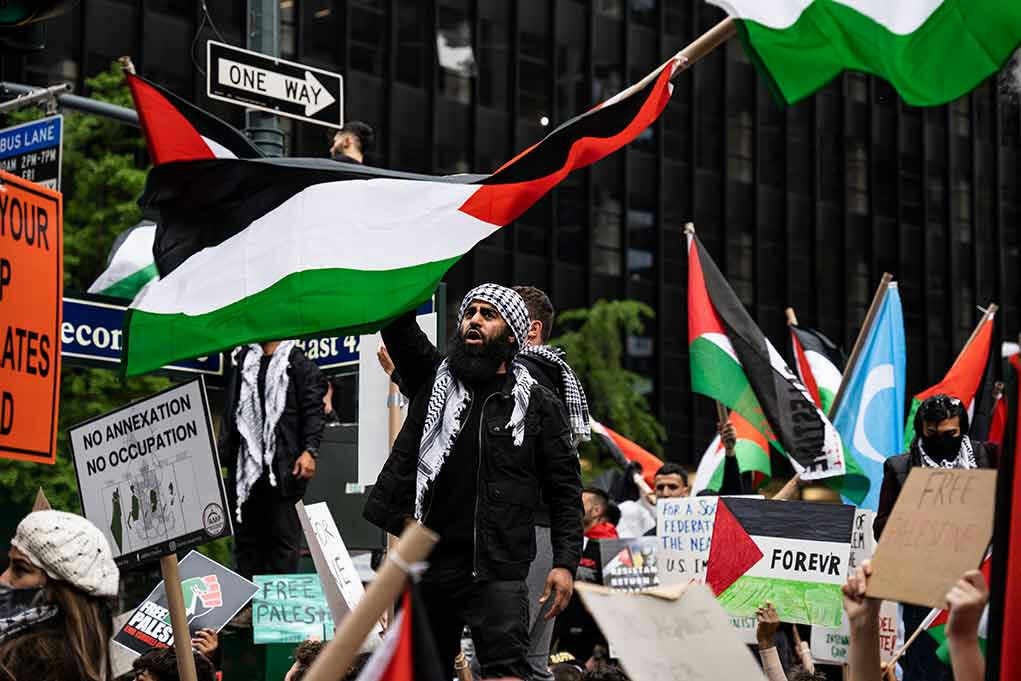
Iranian protesters chant “Neither Gaza nor Lebanon, my life for Iran,” turning guns on their own regime while rejecting foreign proxies that drain the nation’s blood and treasure.
Story Snapshot
- Protests ignited December 28, 2025, in Tehran’s Grand Bazaar over economic collapse, exploding into nationwide anti-regime uprising by January 6, 2026.
- Chants demand Khamenei’s ouster and prioritize Iran over regime’s foreign wars in Gaza and Lebanon.
- Security forces kill 16-32, arrest nearly 1,000, raid hospitals amid clashes with Molotovs and rifle fire.
- Strikes paralyze markets in 24 provinces; women lead sit-ins in 110 cities, signaling deep regime fractures.
- Bazaar’s elite dissent erodes traditional support, hinting at potential collapse.
Protests Erupt from Economic Despair
Tehran’s Grand Bazaar merchants launched strikes on December 28, 2025, against crippling inflation and shortages. Gold and currency traders halted operations first, sparking solidarity shutdowns in Isfahan, Shiraz, and Mashhad by December 30. Security forces deployed tear gas and live ammunition in Hamadan and Tehran, wounding dozens. Protesters, fueled by winter energy crises, ignored regime orders for weather-related closures across 21 provinces. This spontaneous action exposed economic mismanagement worsened by sanctions and proxy wars.[2][3]
Grievances quickly layered political fury. Crowds chanted “Death to the dictator” during nationwide rallies on December 31 and January 1. Regime shutdowns failed to contain the spread, as social media bypassed information controls. Funerals for early victims turned into mass demonstrations by January 3, with reports confirming 16 deaths. Protesters in 10 cities rejected Khamenei’s foreign entanglements, prioritizing national survival over distant conflicts.[2][4]
Regime Unleashes Brutal Crackdown
January 4 marked escalation. Protesters hurled Molotov cocktails and fired rifles at security forces during 179 demonstrations across 24 provinces. Iranian Revolutionary Guard Corps raided hospitals in Ilam, arresting wounded including minors. Total arrests neared 1,000 by January 5. Khamenei’s January 4 speech shifted tactics from containment to coercion, overriding Supreme National Security Council preferences for restraint. This hardline stance, rooted in regime survival, only inflamed resistance.[3][4]
Women emerged as frontline leaders by January 6, leading Grand Bazaar sit-ins turned “war zone” by tear gas dispersals. Chants evolved to “This year is the year of sacrifice, Seyed Ali will be overthrown.” Protests hit 110 cities, with 32 confirmed deaths. Bazaar strikes persisted, halting fruit and vegetable distribution nationwide. Regime resources strained between domestic violence and foreign militias in Iraq.[2][6]
Nationalist Slogans Signal Regime Vulnerability
“Neither Gaza nor Lebanon, my life for Iran” captured protesters’ core demand: end proxy wars draining Iran’s economy. This nationalist turn, echoing 2022 Mahsa Amini uprisings and 2019 fuel riots, rejects regime ideology favoring Hezbollah and Hamas. Bazaar merchants, historically regime allies, now withhold support, fracturing elite consensus. Social media accelerates spread despite crackdowns, outpacing organization but building momentum.[4][7]
Opposition groups like NCRI and HRANA tally unprecedented scale, deeming it a “new phase” of confrontation. Critical Threats analysis confirms suppression failure, predicting escalation. U.S. State Department voices concern over arrests, but protesters explicitly spurn foreign interference. Khamenei’s warnings and militia deployments underscore desperation. Common sense aligns with protesters’ view: no sovereign nation thrives squandering wealth on endless external fights while citizens starve.[3][2]
Path to Collapse or Containment
Day 10 protests show no abatement. Economic paralysis from strikes threatens broader unrest. Women’s prominence and bazaar involvement signal elite splits, mirroring 1979 Revolution precursors. Regime faces IRGC overstretch, with resources diverted from borders. If chants unify into coordinated action, Khamenei’s grip weakens fatally. Historical patterns—1999 students, 2009 Green Movement—failed without such breadth, but 2025-2026 scale tests limits. Iran’s future hinges on whether nationalists topple the theocracy.[1][3]
Sources:
2. https://en.wikipedia.org/wiki/2025%E2%80%932026_Iranian_protests
3. https://www.criticalthreats.org/analysis/iran-update-january-5-2026
4. https://www.ncr-iran.org/en/news/iran-news-in-brief-news/iran-news-in-brief-january-7-2026/
5. https://www.ncr-iran.org/en/news/iran-news-in-brief-news/iran-news-in-brief-january-6-2026/
6. https://www.britannica.com/event/2026-Iranian-Protests
7. https://www.stimson.org/2026/in-iran-protests-information-spreads-faster-than-organization/