
Colombia didn’t send a memo to Washington—it sent a drug boss.
Story Snapshot
- Colombia extradited Andrés Felipe Marín Silva, “Pipe Tuluá,” leader of “La Inmaculada,” to the U.S. in a tightly controlled operation on February 3, 2026.
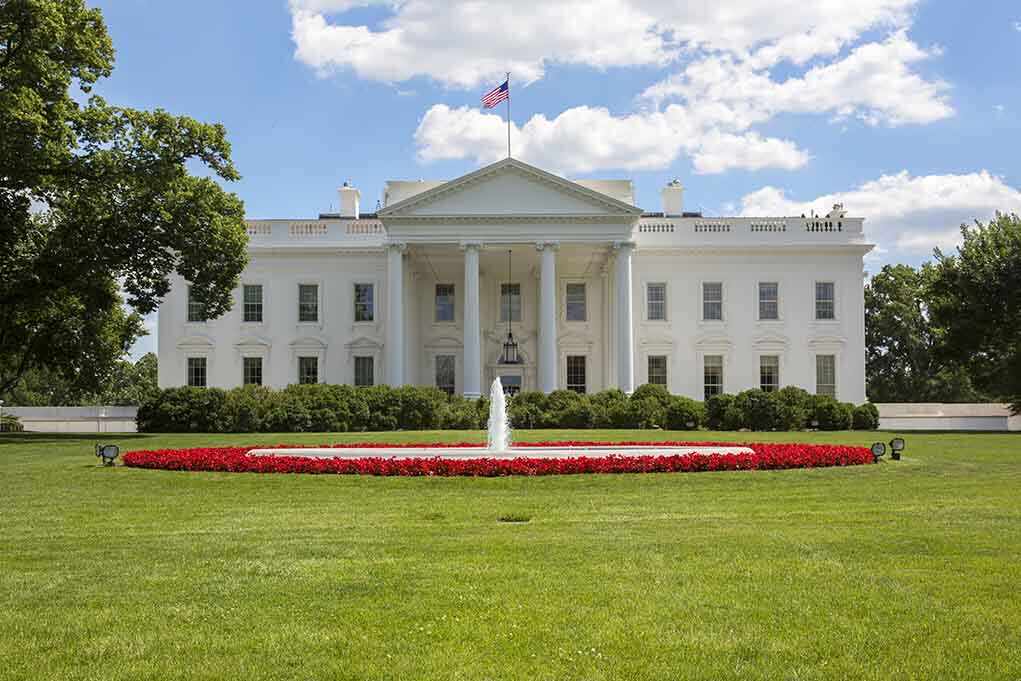
- The transfer happened just hours before President Gustavo Petro was set to meet President Donald Trump at the White House.
- The operation involved more than 70 officers, drones, and a police helicopter, signaling urgency and political intent.
- Peace talks tied to Petro’s “Total Peace” policy had stalled, removing the main obstacle that often delays extraditions.
A Pre-Dawn Extradition Built for Cameras, Courts, and Diplomacy
Colombian authorities moved “Pipe Tuluá” before sunrise from a Bogotá police station to an anti-narcotics facility near El Dorado Airport, then sent him toward U.S. federal court in Texas. They did it with more than 70 officers, drone support, and a “Halcón” police helicopter overhead. The choreography mattered. Colombia wanted zero chance of escape, rescue, or disruption—and zero ambiguity about who controlled the moment.
The legal path also mattered. Colombia’s Supreme Court issued a favorable opinion tied to three drug trafficking-related charges, and Petro signed the decree that finalized extradition. That sequence turns this from a rumor of cooperation into a paper trail of it. When a government wants to show seriousness, it doesn’t just talk about “fighting crime.” It takes a person with a name, a rank, and a network—and puts him on a plane.
Why the Timing Was the Point: Petro Walking into Trump’s Leverage Zone
The White House meeting landed after a stretch of escalating U.S.-Colombia tension that included visa disruptions, sanctions pressure, and tariff threats. Petro had publicly resisted U.S. demands on issues like deportation flights and drug strategy; Trump had applied maximum pressure and mocked Petro personally. The extradition, timed to the same day as the meeting, reads like an opening bid: Petro arrives not empty-handed, but carrying proof of cooperation.
From a conservative, common-sense perspective, that’s how diplomacy should work when drugs drive the argument. The U.S. doesn’t need dramatic speeches from foreign leaders; it needs actions that reduce trafficking capacity and raise costs for criminal groups. Petro’s politics may lean left, but the extradition resembles a classic, transactional message: Colombia can still deliver on extraditions when it chooses to, and Washington should notice.
“Total Peace” Meets Reality: When Talks Freeze, Extraditions Thaw
Petro’s “Total Peace” policy created a recurring dilemma: negotiations with armed groups can become a shield against extradition, because “peace manager” roles and dialogue channels slow the machinery of justice. In this case, exploratory talks with La Inmaculada stalled and froze. That failure removed the political excuse to delay. When dialogue collapses, the state can either look weak—or it can reassert authority. Colombia chose the second option.
That choice carries a warning to other criminal structures watching from the sidelines. If a group wants the privileges of talks, it must keep talks alive and politically useful. Once a process becomes dead weight, Bogotá can unload it fast. The speed of this operation signals that the government had the extradition ready, waiting for the right moment—legal clearance secured, logistics rehearsed, and political timing synchronized with the highest-stakes meeting Petro will face before his term ends.
The Real Battlefield: Cocaine Numbers, Not Press Releases
The backdrop is ugly and measurable: record cocaine output, with U.N.-cited figures pointing to around 3,000 tons in 2024, and reports that production has surged during Petro’s presidency. That reality fuels Trump’s narrative and hardens U.S. demands. Trump’s claim that Petro is a “drug leader” lacks evidence, but Washington doesn’t need that allegation to press Colombia; it only needs the production curve and the flow of cocaine north.
U.S. policy pressure tends to follow results, not intent. If coca cultivation and cocaine production rise, U.S. leaders reach for tools they can control: certification labels, visa policies, tariffs, sanctions, and security cooperation conditions. Colombia, for decades a flagship U.S. partner, risks losing that “success story” status if it can’t demonstrate visible enforcement. Extraditions are the most legible signal, because they remove actors from the local ecosystem entirely.
What Petro Likely Wants, What Trump Likely Demands
Petro entered this week needing oxygen: economic relief from tariff threats, normalization on visas, and a path out of sanctions drama. He also needed to show Colombian voters he can defend national dignity without detonating the economy. Trump entered needing outcomes he can describe quickly: more extraditions, tougher counternarcotics posture, and immigration cooperation. The extradition of “Pipe Tuluá” gives both men a prop, but it doesn’t settle the core dispute.
The risk is the meeting becomes a live-fire exercise in populist leadership styles. Analysts have warned of possible “fireworks,” and the U.S. has recently shown it will take dramatic steps in the region when it believes drug trafficking and sovereignty collide. Petro’s best move, if he wants stability, is to translate this extradition into a repeatable pipeline: court opinions, signed decrees, and removals that don’t depend on a headline-making summit.
The next twist sits in what Colombia does after the cameras move on. One extradition can be a gesture. A pattern becomes policy. If more stalled cases restart and “peace manager” loopholes close, the U.S. will treat Petro less like an ideological opponent and more like a negotiating partner. If not, pressure returns fast—because in Washington’s view, cocaine is not a talking point. It’s a national security problem with a supply chain.
Sources:
https://colombiaone.com/2026/02/03/colombia-la-inmaculada-drug-lord-extradited-us/