
One congressman’s 34-page salvo just put a Pentagon boss on impeachment watch—and he called it pure politics.
Story Snapshot
- Defense Secretary Pete Hegseth called the impeachment push a “political spectacle.”
- Representative Thomas Massie forced a House vote with a privileged resolution.
- Eight articles span Iran, Yemen, Venezuela, drug-boat strikes, and free-speech claims.
- House approval is required first; Senate conviction needs two-thirds.
What Triggered The Clash, And Why It Escalated Fast
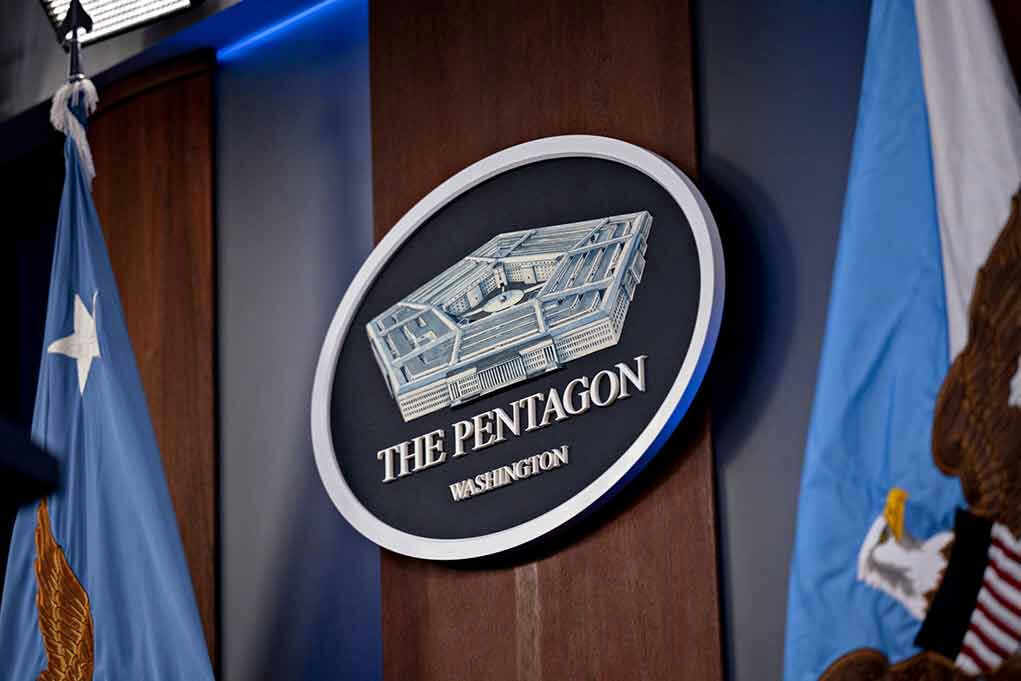
Representative Thomas Massie filed eight impeachment articles against Defense Secretary Pete Hegseth on November 9, using a privileged resolution that compels a quick House vote. The filing runs 34 pages and guarantees floor consideration within two legislative days, a sharp procedural lever designed to force action rather than committee drift. Hegseth answered at the Pentagon the next day, calling the move a “political spectacle” from a “disgruntled and defeated congressman,” and pledged to fight it.
The allegations do not rest on a single charge. The resolution claims War Powers violations tied to Iran, unlawful strikes in Yemen, extrajudicial killings in maritime drug operations, a strike that hit an Iranian elementary school, retaliation against Senator Mark Kelly, and participation in the capture of Venezuela’s Nicolás Maduro. Reuters and others summarized the list and highlighted the Iran timeline as central to Massie’s case that hostilities ran past the statutory 60-day clock.
The Specifics Massie Says Cross The Line
Massie’s core Iran claim says Hegseth waged war without a declaration or authorization and in the absence of an imminent threat, then continued after both chambers voted to leave. He links a strike that hit a school in Minab to changes in civilian safeguards and cites more than 200 casualties. He also alleges extrajudicial killings in drug-boat strikes, including a follow-up hit on survivors, and says Hegseth retaliated against Senator Kelly for speech about refusing unlawful orders.
The resolution further alleges an unlawful role in the capture of Nicolás Maduro, framing it as a kidnapping linked to oil, and cites unlawful operations in Yemen that caused civilian deaths. These claims, if proven, would test long-running fights over the War Powers Resolution and the limits of executive action in conflict zones. They also risk blurring military necessity with criminal law language, which is exactly where impeachment battles become political theater.
Hegseth’s Counter And The Procedural Reality Check
Hegseth argues the case is politics, not oversight, and says critics want to damage President Trump. He points to process: the House must first pass the resolution, and the Senate would need a two-thirds vote to convict and remove him. That bar is sky-high. He did not, in public, release detailed legal memos or targeting packets that would settle the War Powers and civilian-harm disputes. That gap leaves room for sharp claims to define the news cycle.
🇺🇸 HEGSETH FIGHTS BACK AS IMPEACHMENT THREAT GROWS OVER IRAN WAR!
US Defence Secretary Pete Hegseth is facing an impeachment push after Republican Congressman Thomas Massie introduced eight articles accusing him of serious misconduct.
The resolution focuses heavily on the Trump… pic.twitter.com/XN7K4Tla8s
— IwereNews.com (@IwereNews) November 10, 2026
From a common-sense, conservative lens, Congress writes the checks and declares wars, while the military fights and wins. If Massie’s charges rest on extended hostilities without clear authorization, he raises a fair constitutional question. But a one-member fast-track also looks like a political ambush. The right answer is sunlight: release the legal basis, notifications to Congress, and after-action reports. Let facts, not slogans, carry the day. Voters can smell posturing a mile away.
What Happens Next, And What Actually Matters
The House vote will signal whether this is a quick rebuke or a drawn-out spectacle. Even a narrow House passage would not predict a Senate conviction. But the damage happens earlier—headlines, doubts, and a Pentagon frozen by politics. The smart play for the department is to front-load proof: War Powers analyses, timelines of congressional consultations, and independent assessments of alleged civilian harm. That record can anchor support across factions and calm the uniformed ranks.
The Broader Pattern: War Powers Meets Partisan Heat
Fights like this echo past battles where lawmakers used War Powers tools to force debate and votes when presidents acted without explicit authorization. The statute’s 60-day limit and expedited procedures were built for these moments. History shows Congress often fails to resolve the core dispute, but the pressure can still check overreach. The outcome here may hinge less on rhetoric and more on whether hard documents match or beat the resolution’s specificity.
Bottom Line For Readers Who Want Results, Not Noise
Massie put big charges on the table, fast. Hegseth hit back hard and framed it as politics. The House will decide whether to advance it, but the court of public judgment is already open. If the Pentagon shows its homework—authority, approvals, safeguards, and results—it blunts the spectacle and affirms civilian control and lawful force. If it does not, the loudest claim will rule the day. That is no way to run a military—or a republic.
Sources:
redstate.com, fox9.com, massie.house.gov, npr.org, insidedefense.com
© targetliberty.org 2026. All rights reserved.