An American journalist’s daylight abduction in Baghdad is a reminder that when Washington gets pulled deeper into Middle East chaos, it’s ordinary Americans who absorb the risk, the cost, and the blowback.
Quick Take
- Freelance U.S. journalist Shelly Kittleson was kidnapped near a checkpoint in Baghdad and later rescued after Iraqi forces pursued the kidnappers’ vehicle.
- The kidnappers’ vehicle reportedly overturned during the chase; Kittleson was taken for medical treatment and at least one suspect was arrested.
- Iraqi authorities are investigating the motive, including claims of possible Iranian involvement, but public details remain limited.
- The incident spotlights how volatile security conditions in Iraq remain for Americans on the ground, including journalists and other civilians.
Daylight Kidnapping Near a Checkpoint, Followed by a Fast Rescue
Iraqi officials say American journalist Shelly Kittleson was abducted in broad daylight in Baghdad near a checkpoint, a detail that underscores how quickly a routine location can turn dangerous in a capital city still wrestling with instability. Iraqi security forces pursued the kidnappers’ vehicle in a high-speed chase. Reports say the vehicle overturned, enabling a rescue, and authorities arrested at least one suspect.
Iraqi officials indicated Kittleson sustained injuries and was transported to a hospital for medical care. The timeline described in available reporting is straightforward—abduction, pursuit, crash, rescue, arrest—but critical facts remain unanswered, including who planned the kidnapping, whether it was targeted or opportunistic, and whether additional suspects escaped. Those gaps matter because they determine whether this was a one-off crime or part of a wider network.
What Iraqi Officials Are (and Aren’t) Saying About Motive
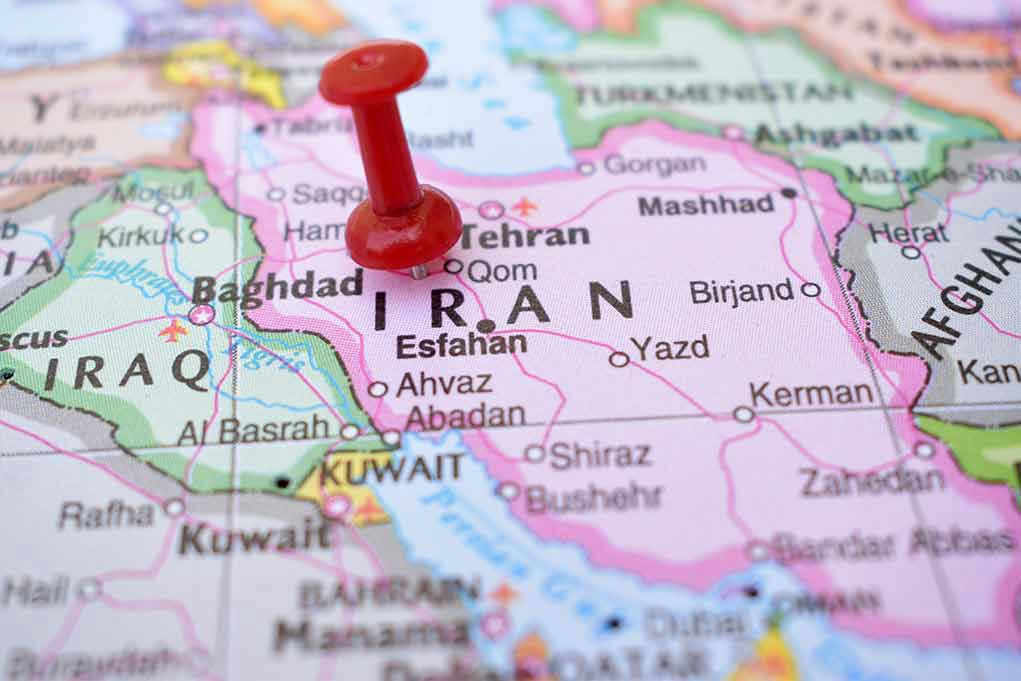
Authorities have said an investigation is underway to identify the perpetrators and determine the motive. Reporting indicates investigators are examining whether Iranian involvement played a role, a claim that may carry major geopolitical implications but is not yet backed by publicly released evidence. The available sourcing also reflects a limitation: much of what has been reported is attributed to “reports” rather than direct, on-the-record statements by Iraqi leaders or the U.S. government.
That lack of official detail leaves Americans with a familiar problem: big headlines paired with thin verification. It is possible for investigators to explore multiple leads at once—including criminal kidnapping rings, political intimidation, or proxy-group activity—without any one theory being confirmed. Until Iraqi authorities release clearer findings, Americans should treat motive claims as unproven and focus on the verified facts: a U.S. citizen was taken and rescued, and at least one suspect was detained.
Security Reality in Iraq: Risk Isn’t Abstract for Americans Abroad
Kidnappings of foreign nationals in Baghdad are not without precedent, and recent reporting referenced a similar incident involving a Russian-Israeli researcher. The pattern matters because it signals ongoing capability among criminal or militant actors to seize high-value targets in a dense urban environment. For journalists—especially freelancers operating without the full security footprint of major networks—movement near checkpoints, government buildings, or contested neighborhoods can turn into a serious vulnerability.
Why This Story Lands Differently in 2026 for Conservatives Watching Washington
In 2026, conservatives are watching foreign-policy flashpoints through a harsher lens shaped by two decades of “mission creep,” shifting rationales, and costly commitments that never seemed to end. Many Trump voters backed a promise to avoid new wars and prioritize the homeland, including energy affordability and border security. Incidents like this can sharpen internal divisions: some Americans want strong, unconditional support for allies and deterrence against Iran, while others fear another open-ended spiral.
Those divisions are visible across the broader debate over Israel, Iran, and U.S. involvement, especially when Americans see global crises colliding with domestic strain. The facts here do not prove a state-directed plot, but they do illustrate how quickly Americans can become leverage in a region where multiple actors compete for influence. That raises a basic constitutional question for voters: what commitments is the federal government making in their name, and what risks follow?
For now, the most responsible takeaway is narrow and concrete. A U.S. journalist was abducted and rescued, one suspect was arrested, and Iraqi authorities say the investigation continues. Without more official transparency, Americans should be cautious about narratives that race ahead of evidence. But conservatives are right to demand clarity from Washington on the broader strategy—because “limited involvement” has a long track record of turning into something far bigger and far more expensive.