
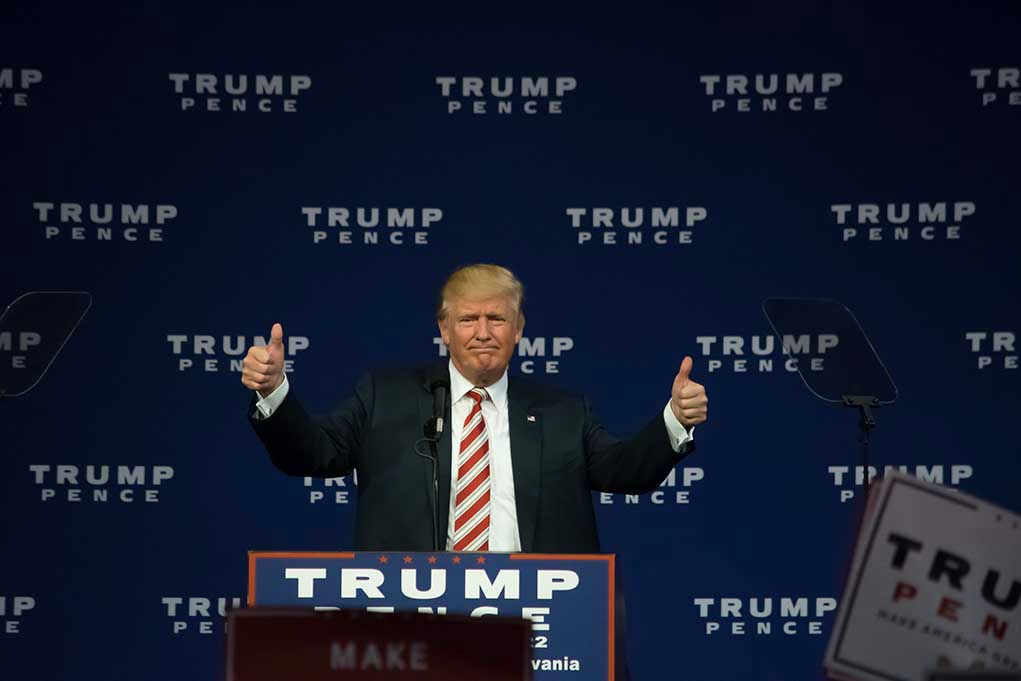
Amid stubbornly high prices and lingering frustration with Biden-era inflation, President Trump’s sharpened focus on affordability is nudging his approval higher among Republicans—even as national pollsters still insist he’s “underwater” overall.
Story Snapshot
- Republican and conservative-leaning voters are rewarding Trump’s affordability push with a modest approval uptick.
- National polling averages still show Trump net negative, despite improvement off his recent low.
- Pollsters with GOP-leaning “house effects” are driving some of the apparent rebound narrative.
- Affordability and cost of living are emerging as the defining battlefield ahead of the 2026 midterms.
Affordability Messaging Begins to Move GOP Voters
Polling over the past several weeks shows Trump’s approval ticking up modestly among Republicans and right-leaning voters as he leans harder into affordability, inflation, and everyday cost-of-living issues. GOP strategists and conservative commentators are seizing on this trend as proof that speaking directly to gas prices, grocery bills, and rent resonates with the very families hammered by years of Biden-era inflation and reckless spending. For a base sick of globalist priorities, this renewed focus on kitchen-table economics feels overdue.
At the national level, however, the picture is more complicated. Aggregated polling still places Trump’s job approval in the low forties, with disapproval in the low-to-mid fifties, leaving his net rating clearly negative despite moving a point or two off its recent floor. Analysts calling balls and strikes note that some of the recent “good news” comes from survey firms that tend to lean Republican, which can temporarily make the numbers look rosier than the broader polling average really supports.
From Shutdown Slump to Cautious Stabilization
Earlier in 2025, Trump’s approval sagged following the bruising government shutdown fight and nonstop media attacks that followed. By late November, his net approval hit a second-term low, underscoring how polarized the country remains. Since then, averages tracked by multiple poll aggregators show a slight rebound—roughly one to two points in net terms—bringing him off the bottom but not into positive territory. For conservatives, the key takeaway is not a sudden surge, but that the slide appears to have stopped.
Inside the Republican coalition, that stabilization is closely tied to Trump’s decision to hammer affordability at every turn rather than chase every cultural skirmish. Voters fed up with years of woke social engineering and border chaos still care deeply about those fights, yet they also live with weekly sticker shock at checkout lines and monthly rent or mortgage payments that have outpaced paychecks. When Trump talks about slashing regulations, unleashing American energy, and prioritizing U.S. workers over illegal labor, many hear a coherent answer to their cost-of-living pain.
Pollsters, “House Effects,” and Competing Narratives
Not all polls are created equal, and recent coverage underscores why conservatives should read the fine print. A pair of surveys from TIPP and InsiderAdvantage showed Trump only a few points underwater—his best showing in weeks—and those results helped lift his overall average. Yet polling analysts who track long-term trends also flag both firms as having consistent Republican “house effects,” meaning they routinely produce numbers more favorable to GOP candidates than most other pollsters in the same period.
That dynamic has fueled dueling narratives. Conservative outlets understandably highlight the friendlier polls as evidence that voters are responding to Trump’s affordability push and turning the page on Biden-era economic mismanagement. Establishment media and Democrat operatives, meanwhile, point to more pessimistic composites and insist talk of a rebound is wishful thinking. The truth sits between those spins: Trump remains clearly net negative nationally, but his ratings have stabilized and nudged upward at the margins, especially inside his own party.
What Rising GOP Support on Affordability Means for 2026
For readers who endured soaring grocery prices, punishing utility bills, and shrinking retirement accounts under the previous administration, the political stakes are straightforward. If Trump’s affordability-first message keeps shoring up Republican enthusiasm, it will likely shape the entire 2026 midterm battlefield. Candidates down the ballot will have strong incentive to echo his focus on energy dominance, deregulation, and border security as levers to drive down costs—and to contrast that with Democrats’ record of spending and regulation.
Trump Approval Rating up as Republicans Applaud Focus on Affordability https://t.co/xrSSeWSkgh via @BreitbartNews
— Marian Clough (@marian_clough) December 9, 2025
Yet conservatives should also recognize the limits revealed by the data. A modest uptick among Republicans does not yet translate into a broad realignment with independents or disaffected Democrats. Polling averages still show a country deeply divided, with Trump short of majority approval even while many voters agree with him on affordability and economic common sense. That gap underscores why sustained results—visible relief on prices, growth, and wages—will matter more than any single week’s poll in determining whether this early shift is the start of something bigger.
Sources:
November 2025 National Poll – Emerson College Polling
Trump Approval Ratings – Nate Silver Bulletin
Opinion polling on the second Trump presidency – Wikipedia