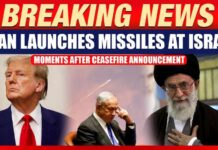
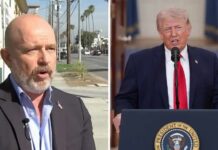
President Trump has escalated his ongoing war with CNN to an unprecedented level, threatening criminal investigations over the network’s coverage of a fragile ceasefire agreement with Iran.
Story Snapshot
- Trump announced a two-week ceasefire between the US, Israel, and Iran, conditional on Iran reopening the Strait of Hormuz
- The President immediately accused CNN of broadcasting fraudulent statements about the ceasefire, calling it a potential criminal act
- FCC Chairman Brendan Carr joined Trump in demanding accountability from the network over its Iran coverage
- Iran claimed victory in the ceasefire agreement, creating conflicting narratives that fueled the media dispute
- No formal investigation has been confirmed despite the administration’s threats and accusations
The Ceasefire That Sparked a Media Firestorm
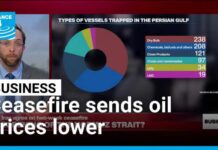
Trump secured a tentative two-week ceasefire agreement between the United States, Israel, and Iran on Tuesday, with the deal hinging on Iran’s commitment to reopen the Strait of Hormuz. The strategic waterway carries roughly 20 percent of the world’s oil supply, making its accessibility a critical economic and security concern. White House officials confirmed Israel agreed to the terms, but Iran quickly muddied the waters by declaring the ceasefire its own victory, setting the stage for competing narratives about who brokered what.
The divergent storylines created fertile ground for Trump’s latest attack on CNN. The network’s coverage apparently included Iranian claims about the ceasefire terms, which Trump characterized as fraudulent misrepresentation. The President targeted what he called “CNN World,” likely referring to CNN International, for allegedly spreading false information during a sensitive national security situation. The accusation marks a sharp escalation from typical media criticism to allegations of criminal wrongdoing, raising questions about where political rhetoric ends and genuine legal threats begin.
The FCC Enters the Fray
FCC Chairman Brendan Carr amplified Trump’s accusations by publicly demanding CNN face accountability for its Iran coverage. Carr’s intervention signals potential regulatory action against the broadcaster, though no formal complaints or investigations have appeared in FCC filings as of this writing. The chairman’s history of targeting perceived media bias aligns with Trump’s long-standing attacks on what he labels “fake news,” but applying government regulatory power to punish coverage of foreign policy claims enters constitutionally murky territory that should concern anyone who values press freedom.
The timing of Carr’s statements matters. Broadcasting regulators typically avoid inserting themselves into disputes over news coverage, particularly when the disagreement centers on whose version of international events a network chose to report. CNN faced a no-win scenario: ignore Iranian claims and risk incomplete reporting, or include them and face accusations of spreading propaganda. The network opted to report multiple perspectives, standard journalistic practice that Trump now frames as criminal fraud worthy of federal investigation.
Precedent and Pattern in Trump’s Media Wars
Trump’s confrontational relationship with CNN stretches back to his first term, when “fake news” became his rallying cry against coverage he deemed unfavorable. Between 2017 and 2021, the administration repeatedly threatened FCC reviews of broadcast licenses and suggested revoking credentials, though few threats materialized into concrete action. The current situation differs in one crucial respect: Trump explicitly uses the language of criminality, not just inaccuracy, framing CNN’s editorial choices as potential crimes rather than journalistic disagreements.
The broader media landscape watches nervously as this confrontation unfolds. Networks covering international conflicts routinely report claims from all sides, including adversarial governments, to provide comprehensive context for viewers. If reporting Iranian statements about a ceasefire becomes grounds for criminal investigation, the chilling effect on foreign policy journalism would fundamentally alter how Americans receive information about military and diplomatic matters. Other broadcasters may self-censor rather than risk similar accusations, particularly when covering situations where the administration has staked political capital on a particular narrative.
What Accountability Actually Means
The Trump administration’s call for CNN accountability raises fundamental questions about the proper relationship between government and press. Holding media organizations responsible for factual errors through reputation damage, viewer erosion, and competitive pressure represents the traditional American approach. Government investigations for editorial decisions about which foreign statements to broadcast crosses into territory that should alarm conservatives who champion limited government and constitutional protections. The First Amendment exists precisely to prevent administrations from criminalizing coverage they dislike, even during national security events.
The Strait of Hormuz ceasefire represents a genuine diplomatic achievement if it holds, potentially de-escalating tensions that have simmered since the 1979 Iranian Revolution and intensified after Trump withdrew from the nuclear deal in 2018. Iran’s decision to claim victory, while perhaps irritating to the administration, reflects standard practice for authoritarian regimes seeking to project strength domestically. CNN’s choice to note that claim alongside the White House version provides viewers with complete information rather than state-approved messaging. Whether that constitutes fraud worthy of criminal investigation or basic journalism depends entirely on whether you believe government should control how networks cover international events.
Sources:
The Independent: Trump CNN Threat Iran Ceasefire