
Airport Ebola screening is back on the table because at least six Americans in Congo reportedly had potential exposure—one with symptoms—while officials insist the public risk at home stays low [1][3].
Story Snapshot
- Reports cite at least six Americans with potential Ebola exposure in the Democratic Republic of the Congo; one was reportedly symptomatic [1][3].
- Laboratory confirmation was not available when reports surfaced; exposure is not infection [3].
- The U.S. Embassy in Kinshasa issued a health alert after the World Health Organization declared an emergency [4].
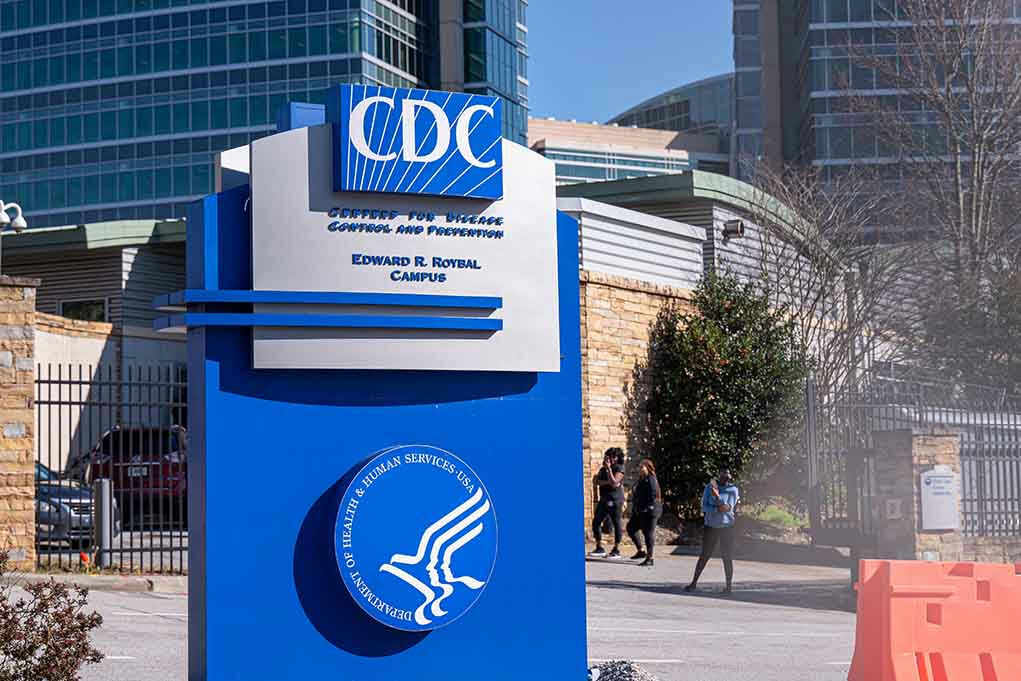
- Centers for Disease Control and Prevention says the risk to the American public remains low and is monitoring the situation [1].
What happened, who said what, and what is still unknown
CBS News reported that at least six Americans in Congo had potential Ebola exposure, with three classified as high risk and one reportedly symptomatic, citing sources tied to international aid groups [1]. STAT News independently reported that Americans in Congo were believed to have had exposure, adding that no test results were available at the time [3]. These claims point to exposure assessments used in outbreak response, not proof of infection. The precise identities, roles, and exposure mechanisms were not made public, leaving key operational details undisclosed [1][3].
The Centers for Disease Control and Prevention publicly emphasized that the risk to the American public remains low and said it continues to monitor the situation closely, language consistent with exposure without confirmation of infection [1]. The United States Embassy in Kinshasa issued a health alert that acknowledged the World Health Organization’s emergency declaration and the outbreak’s presence in the Democratic Republic of the Congo and Uganda, underscoring the seriousness of the regional situation without confirming American infections [4].
Why exposure reports surge before lab results
Outbreak operations prioritize rapid contact identification and risk stratification long before definitive laboratory confirmation. Field teams frequently flag “high-risk” or “possible” exposures to trigger monitoring, movement restrictions, and protective steps. That triage protects communities and responders but also produces headlines that outrun lab data. STAT’s report that no test results were yet available illustrates this sequencing. The absence of named sources and granular exposure details reflects typical privacy and security constraints during active outbreaks [3].
Public reaction tends to compress exposure, suspected cases, and confirmed infections into one scary blur, especially with a disease whose name alone raises anxiety. That is why government language stays cautious and measured. When the Centers for Disease Control and Prevention says the public risk is low, it is signaling that safeguards—from border health screening to clinical protocols—are in place and that exposure abroad has not translated into transmission at home. That stance aligns with common sense: act fast on potential threats but avoid panic while facts mature [1].
Airport screening: what it is and what it is not
Airport screening for travelers arriving from affected regions typically uses temperature checks, symptom questionnaires, and referral pathways for evaluation when indicated. It aims to slow importation risk and reassure the public, not to replace clinical diagnostics. Screening will miss asymptomatic incubating infections and will sometimes flag travelers who do not have Ebola. Its value grows when paired with contact tracing, timely testing, and clear communication so the public understands that “screened” does not equal “sick” and “exposed” does not equal “infected.”
🚨 POTENTIAL EBOLA EXPOSURE IN DRC 🇨🇩
At least six US CITIZENS have reportedly been exposed to EBOLA in the DEMOCRATIC REPUBLIC OF CONGO with one person currently showing SYMPTOMS. Authorities are likely tracking movements to contain any further spread of the virus. …
— OSN – Observer Security Network (@OSN_Reports) May 18, 2026
From a conservative, common-sense perspective, two principles apply. First, borders matter in biosecurity as much as in national security. If officials have credible exposure reports, targeted entry screening and follow-up are prudent, limited-government tools that protect the many without punishing the innocent. Second, transparency should track with facts. News outlets reported at least six Americans with potential exposure, and one reportedly symptomatic; until named agencies confirm infections with lab results, policy should calibrate to risk, not rumor [1][3][4].
What to watch next
Watch for laboratory confirmations or all-clears for the reported Americans; that single data point will reset the risk conversation [3]. Look for updates from the United States Embassy in Kinshasa and the Centers for Disease Control and Prevention on contact tracing outputs, isolation decisions, and any changes to traveler monitoring protocols [4]. Expect officials to sustain the “low risk” message unless confirmed cases appear. The window for meaningful updates is measured in days, not weeks, given Ebola’s incubation period and the urgency of field operations.
Sources:
[1] Web – At least 6 Americans in Congo were exposed to Ebola virus, sources …
[3] Web – Ebola outbreak: Americans in Congo believed to have had exposure …
[4] Web – Health Alert: U.S. Embassy Kinshasa – May 18, 2026