
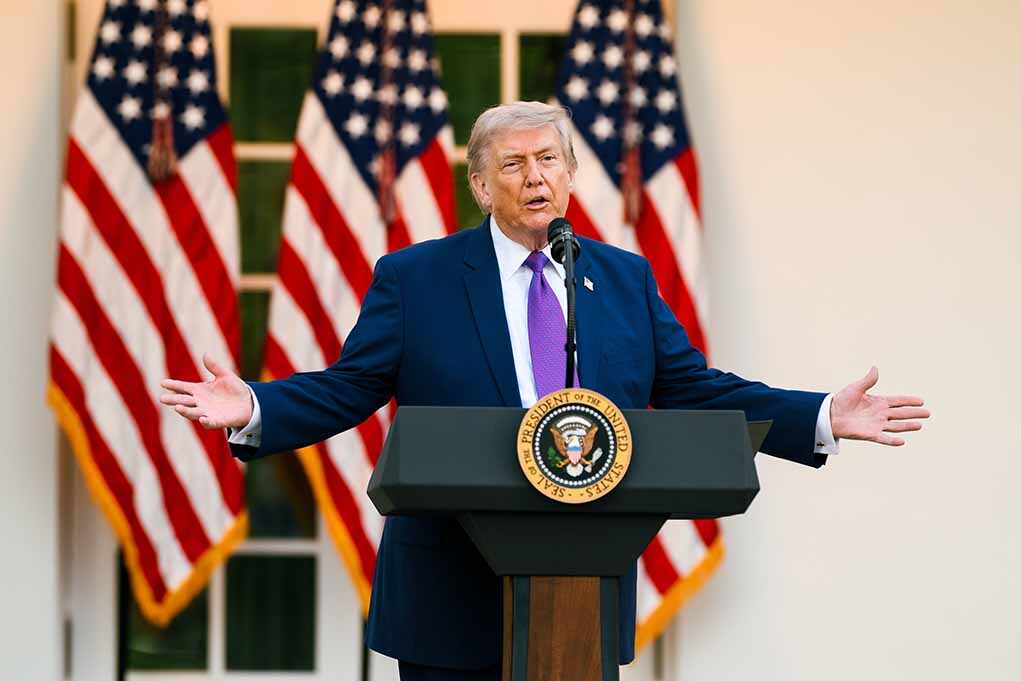
President Trump says he plans to meet Sen.-elect Abdul El-Sayed about a “TrumpCare” version of Medicare for All, and that one sentence just scrambled the health care chessboard.
Story Snapshot
- Trump said he expects to meet El-Sayed to discuss Medicare for All.
- Trump boosted El-Sayed’s gold “TrumpCare” card post by reposting it.
- Vice President JD Vance’s office reached out to set up a meeting.
- El-Sayed says he is ready to work with Trump and Senate leaders.
What Happened And Why It Matters
Trump told reporters he expects to meet with El-Sayed and discuss the senator-elect’s Medicare for All push. The message drew attention because El-Sayed had teased a gold “TrumpCare” card as a brand for universal coverage. Trump then reposted that pitch without comment, signaling interest in the idea’s packaging, if not its guts. The Office of the Vice President made contact with El-Sayed’s team to explore a sit-down, confirming there is some choreography behind the scenes.
El-Sayed welcomed the outreach and said he would work with Trump or Senate leaders to expand coverage and take on big money in health care. The exchange followed a bitter campaign stretch. That turn makes this development stand out. Trump’s signal did not include a plan, a price tag, or a timeline. But it did put a new label on an old fight and created an unusual path for talks across party lines. In politics, who owns the name often steers the debate.
Where The Two Sides Stand Right Now
El-Sayed backs a single national plan that covers everyone. He calls it Medicare for All and frames it as simpler and fairer than today’s maze of premiums, deductibles, and networks. He wants government to set the rules and pay the bills, with little or no role for private insurance. That pitch has long been a progressive goal. Trump has criticized that model in the past, and the White House had swiped at it with the line “Medicare for None”.
Trump’s repost did not endorse El-Sayed’s policy or financing. It did amplify the “TrumpCare” brand and the gold card image. That matters because health policy fights often turn on naming and story. Research on the Affordable Care Act found that calling it “ObamaCare” shifted support, as labels prime voters and frame costs and gains. The same rules will shape any “TrumpCare” debate, especially among independents who care about price, wait times, and keeping their doctors.
The Strategic Play Behind The Gold Card
Branding a complex policy with a simple, status-heavy token is classic marketing. A gold card says speed, power, and no hassles. That image speaks to seniors who want security and to working families tired of surprise bills. It also speaks to Trump’s base, which responds to visible wins and clear perks. If El-Sayed can cast universal coverage as a premium upgrade, not a government swap, he draws in voters who like deals more than white papers.
President Donald Trump said he plans to meet with Michigan Sen.-elect Abdul El-Sayed to discuss the Democrat's "Medicare for All" proposal, which El-Sayed has pitched to rebrand as "Trumpcare."
"He's a smart guy," Trump told the New York Post in an interview in the Oval Office… pic.twitter.com/UWQyl1Cuv2
— CNN Politics (@CNNPolitics) November 25, 2026
For Trump, flirting with “TrumpCare” tests whether he can claim ownership of a kitchen-table issue without embracing a large government overhaul. The smart conservative read is simple: focus on lower drug costs, price transparency, direct primary care, and wider use of health savings accounts. Tie any broader coverage gains to choice and competition. If talks move that way, Trump gets credit for action while staying true to small-government instincts. If not, he can step back, saying the numbers do not work.
What A Real Path Would Need
Big health reforms rise or fall on three pillars: money, machinery, and muscle in Congress. Money means who pays and how much. The Congressional Budget Office has shown that a single national plan could cut some overall costs through lower prices and admin savings, but would shift far more spending onto federal books and taxes. Machinery means the build-out to enroll people, pay doctors, and stop fraud. Muscle means a Senate and House path with committee buy-in and floor time.
None of that exists yet. The current record shows a planned meeting, a social media repost, and outreach by the Office of the Vice President. That is a political signal, not a bill. Still, signals can move markets and votes. If staff swap memos on drug pricing, surprise bills, or veterans’ access, they can notch quick wins. If they reach for a full national plan, they will face a wall of questions on taxes, private coverage, and wait times. Voters will demand proof they keep choice and get faster care.
The Conservative Common-Sense Test
Any “TrumpCare” that earns right-leaning support will do three things. It will lower monthly costs for families without raising taxes on the middle class. It will protect the doctor-patient relationship with fewer rules and more direct pay options. It will unleash price competition by posting clear, honest prices before care. If El-Sayed’s vision meets those tests, he may find partners. If it does not, expect a turn to targeted fixes and a fight over the brand more than the blueprint.
Sources:
nypost.com, cnn.com, miamiherald.com, ibtimes.co.uk, aol.com, link.springer.com, digitalcommons.providence.edu
© targetliberty.org 2026. All rights reserved.