
Five people went down in one Oroville home; two never got back up.
Story Snapshot
- Police found five people with suspected overdoses at a home in Oroville.
- Two died at the scene; three went to the hospital, two in critical condition.
- Officers used Narcan and performed CPR before medics arrived.
- The case remains under investigation; officials have not named a substance.
Police Response Found Five Victims, Two Dead, Three Hospitalized
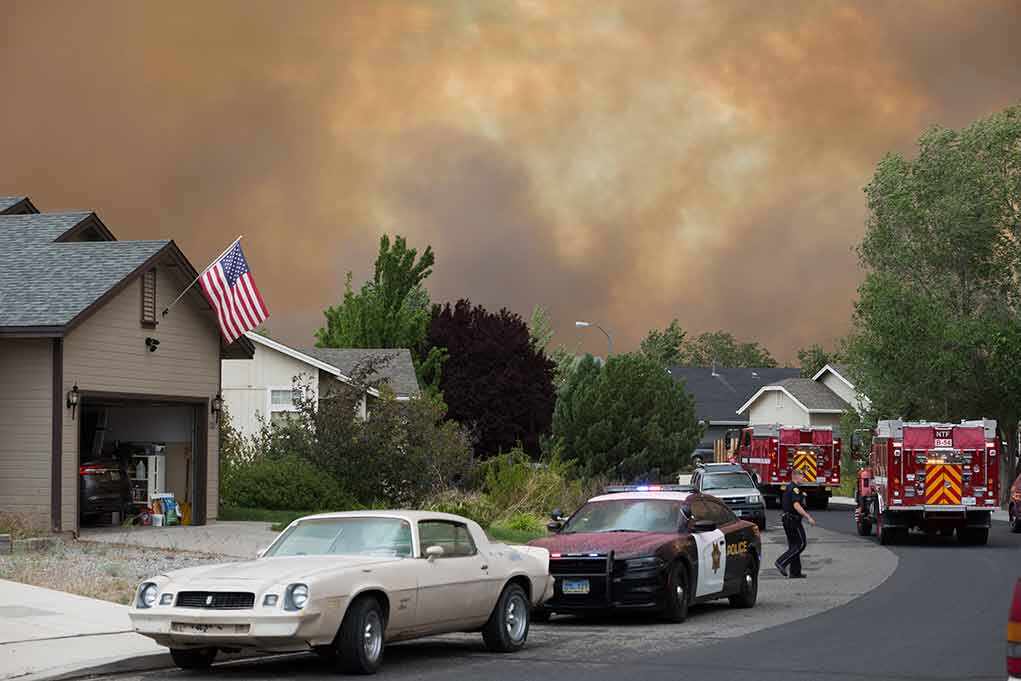
Oroville police answered a call about possible overdoses around 8:10 a.m. on November 21, 2026. Officers entered a residence on the 100 block associated with Hammond and found five people in medical distress. Two were pronounced dead at the scene. Medics took three others to a hospital. The police account said two were in critical condition and one was stable at the time of transport. Action News Now reported the same totals and timing for the response.
The department described the event as suspected overdoses while it continued the investigation. Officers did more than secure the scene. They administered Narcan, gave cardiopulmonary resuscitation, and kept emergency aid going until firefighters and paramedics took over. Those steps match current first-responder training, which urges fast airway support and immediate naloxone when opioids are suspected. That response window often decides who lives long enough to reach a hospital.
Confusion Over Exact Street Name Does Not Change The Core Facts
Local outlets gave slightly different street names for the same block. Some reports used Hammond Park Drive. Others used Hammond Drive. Both placed officers at a 100 block location for the morning call. The mismatch likely comes from a transcription or mapping error in early reporting. The shared backbone remains consistent across outlets: five patients, two fatalities, three hospitalizations, Narcan and CPR, and an active probe by Oroville police.
Early scene labels often use plain terms like mass overdose. That tag fits when several people collapse in one place. It signals a possible shared exposure. It does not confirm a drug or a batch. Reporters repeated the department’s “suspected” phrasing to reflect that status. Officials have not named a substance. They also have not released the names of the victims, which is common until the coroner completes notifications and initial reviews.
Why Clusters Matter, And What Investigators Likely Do Next
Clusters like this set off alarms for both police and public health. A group collapse can mean a contaminated supply, extreme potency, or a mix with a hidden sedative. Investigators will secure the scene, collect any residue, paraphernalia, or pills, and send those to a lab. The coroner will do autopsies and order toxicology. Detectives will trace phones and messages to map supply lines. Hospitals will flag symptoms that can help tell opioid cases from stimulant or other poisonings.
Two dead in mass overdose in Oroville home https://t.co/drPwF9gMpY pic.twitter.com/C0WlGc3naq
— SFGATE (@SFGate) November 22, 2026
Neighbors and families want clear answers fast, but the science takes time. Toxicology can run several weeks, depending on the number of compounds tested. That pace frustrates communities, yet careful lab work beats guesswork. Confirming the cause matters for more than records. It guides warnings to the public, shapes arrest decisions, and helps doctors spot the next spike in time to save lives. One brief note: police said the case stayed under investigation at last report.
What This Says About Preparedness And Personal Responsibility
First responders showed the value of training and simple tools. Narcan is safe, easy to use, and saves lives when opioids are involved. Keeping it in patrol cars, schools, and homes gives people a second chance. That said, prevention beats rescue. Families should talk plainly about the risk of today’s drug market. Pills from friends or social media are not safe. Street powders shift from week to week. A single line or pill can be the last one.
Communities can back common-sense steps that respect both safety and order. Support fast access to treatment for people who want help. Demand tougher action on dealers who push lethal products. Expect clear, prompt public alerts when clusters hit. That blend of compassion and accountability reflects how most Americans think about this issue: save lives first, then fix what fed the danger. Oroville’s tragedy is a hard reminder. Seconds matter. Truth matters. Action matters.
Sources:
eastbaytimes.com, hoodline.com, article.wn.com
© targetliberty.org 2026. All rights reserved.