

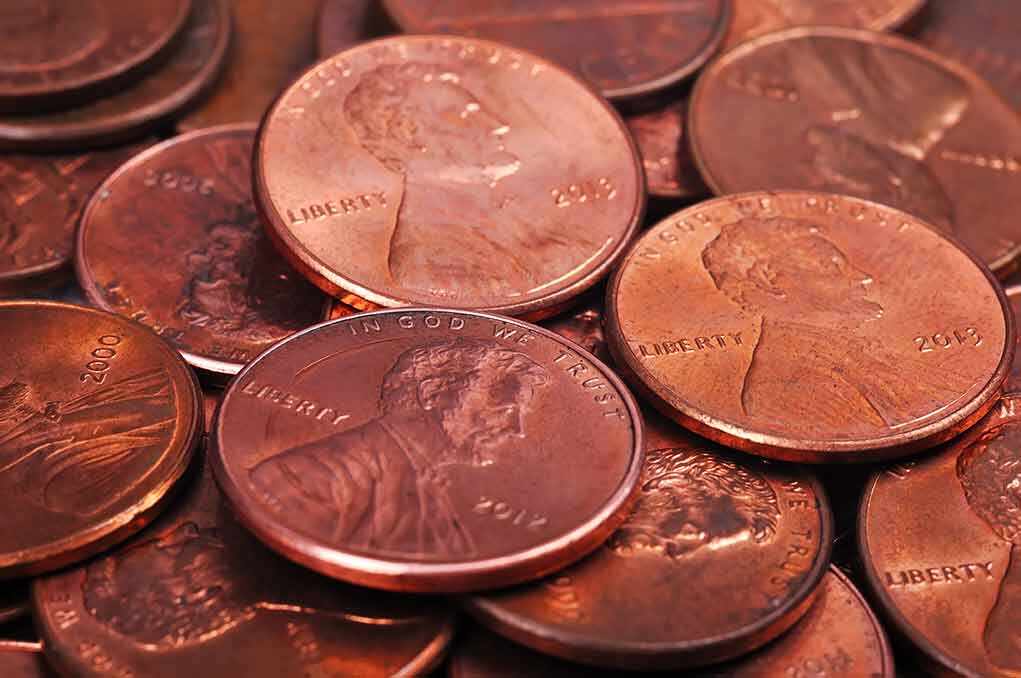
Congress just put the penny on hospice and gave the nickel a cheaper makeover if it passes real-world tests.
Story Snapshot
- Lawmakers moved to end penny production for circulation and keep it legal tender.
- Cash transactions would round to the nearest five cents under federal rules.
- Treasury can test a zinc-core, nickel-clad nickel to cut costs if machines accept it.
- House materials say savings matter, but machine compatibility comes first.
Penny production winds down while cash rounding steps in
Congress advanced the Common Cents Act to end penny production for general circulation and to set a simple rule for everyday buying: round cash totals to the nearest five cents. The law keeps every existing penny as legal tender, so no jars of change become useless overnight. Card and digital payments do not change. The idea aims to stop spending more to make a coin than it is worth, a long-running complaint across parties and budgets.
Supporters argue this is cleanup, not chaos. The United States has changed coin metals many times when costs spiked. The policy nudges cash registers to round up or down, like Canada and New Zealand did years ago. Opponents worry stores will round up more than down. That view shows up in older government polling and floor statements, which warned of higher costs for cash users and confusion at checkout. The law’s text blunts that fear by stating clear nearest-five-cent rounding.
The nickel’s possible makeover is about cost, not shrinkage
Congress did not kill the nickel. It opened the door for the United States Mint to test a cheaper version: a zinc inner layer with a nickel outer layer. The House report says the goal is lower production cost due to cheaper zinc, but only if the coin still works in today’s machines. That matters. Vending machines, transit fareboxes, and laundromats read metal signatures and weight. A composition tweak must fool no one and confuse no machine.
Representative Lisa McClain’s office framed the change as common sense. The bill authorizes a lower-cost nickel composition only if testing shows it cuts costs without disrupting coin-operated machines. That is a high bar, and it should be. The practical test is not a lab bench; it is a soda machine in a bus station at 2 a.m. If the coin jams or rejects, the savings vanish in service calls and angry customers. Treasury gets leeway to test before any switch, not a mandate to rush.
Compatibility is the hinge: prove it or pause it
Machine compatibility decides this plan. The record shows intent and authority to test, not a done deal with national field data. House materials stress the guardrail: no significant disruption to coin-operated machines. That tracks with American conservative values of prudence and order. Save money, yes, but do not break what people use daily. The bill’s structure respects that. It sets up a test path, asks for proof, and keeps the nickel’s size and function familiar while checking the metal recipe.
Critics raise two points. First, rounding could hit cash users if stores lean up, not down. The clearest answer is transparency: publish receipts that show rounded differences, and encourage evenhanded pricing. Second, recalibrating machines can cost money. That is why Congress tied any redesign to machine performance first. If the zinc-core, nickel-clad coin passes with no recalibration, the savings are real. If it fails, the status quo holds, and taxpayers avoid a false economy.
What happens next and what to watch
Treasury and the United States Mint must now run metals tests, pilot minting, and broad acceptance trials. The Federal Reserve will guide cash-handling rules and help retailers train staff on nearest-five-cent rounding. The public will still use pennies, but new ones will not flood circulation. The cleanest outcome looks like this: nickels remain nickels to you and your vending machine, they just cost less to make behind the scenes. The law’s text aims at that exact result.
Sources:
facebook.com, congress.gov, foxnews.com, usatoday.com, mcclain.house.gov
© targetliberty.org 2026. All rights reserved.